
Craftsman, Victorian, Colonial: A Return to Traditional Design Styles
Honey oak for the bungalow, deep mahogany for the rowhouse, light blonde for the Colonial. The three traditional styles are back — and the floors that fit each one.
At a Glance
Three traditional styles returning to current renovation, with a CALI and an MSI pick that captures each one.
| Style | Color Story | CALI Pick | MSI Pick |
|---|---|---|---|
| Craftsman | Artisan honey oaks, handmade integrity, warmth without ornament | Beach Tan - All Star | Amber Forrester - Prescott |
| Victorian | Deep, rich, opulent mahogany tones | Antique Java - Engineered Bamboo | Braly - Cyrus 2.0 |
| Colonial | Light, blonde, restrained | Summer Blonde - All Star | Akadia - Cyrus 2.0 |
The Quiet Return of Tradition
After more than a decade of cool-gray everything and loft-aesthetic open plans, traditional residential design is firmly back. Not as historical re-creation, exactly — more as a thoughtful re-engagement with the architectural styles that defined American homes for a hundred years before mid-century modern arrived.
Craftsman bungalows, Victorian rowhouses, and Colonial Revival farmhouses all carry distinct color stories and material languages — and each one calls for a different floor. Below, the three styles, the design moves that define them, and the warm-tone wood-look floors that fit each interior.
Arts & Crafts movement · 1900s - 1930s, revival ongoing
Craftsman
Artisan honey oaks, handmade integrity, warmth without ornament.
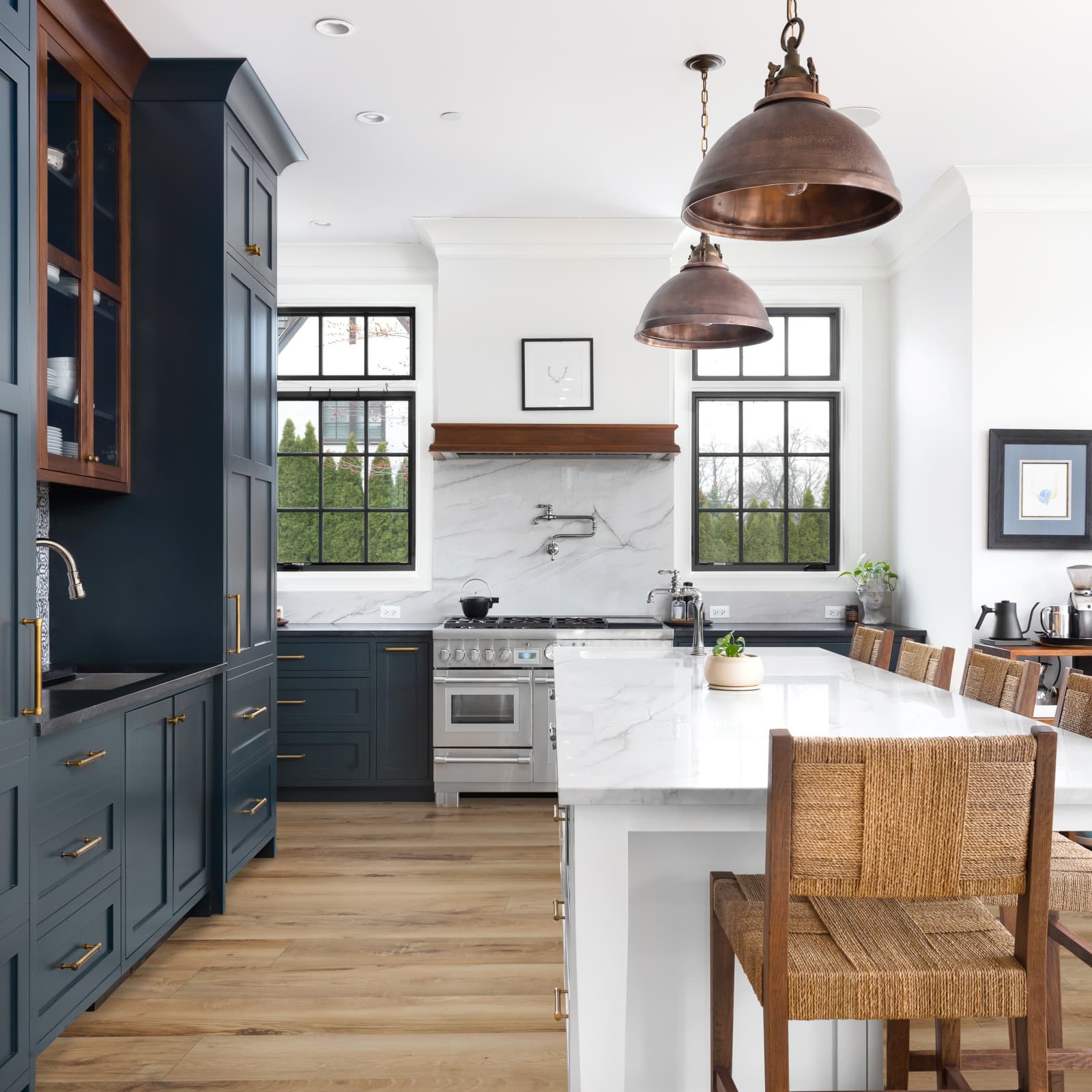
The Craftsman bungalow defined American residential design in the early twentieth century and has never really gone away. Today's Craftsman revival is more streamlined than the original - fewer dark stains, more honest grain - but the principles still hold: visible joinery, natural materials, warm wood tones, and a deliberate rejection of mass-produced flourish.
For a Craftsman floor to read as authentic, the wood-look needs warmth, real grain variation, and a finish that does not glare. Honey oaks and amber-stained planks land squarely in the historical palette - they pair naturally with Mission-style trim, leaded glass, and the unpainted oak built-ins that define the era. Wider, longer planks read a touch more modern than the narrow oak strip floors of the original bungalows, which is the right call for almost every current renovation. The goal is the spirit of Craftsman, not a re-creation of 1912.
Color Story
Honey-toned oak and amber-stained woods. The kind of warm, settled palette that pairs with shaker cabinets, exposed beams, and unpainted millwork.
Featured Floors for Craftsman Style Homes
CALI · All Star
Beach Tan - All Star
Warm honey oak · 22 mil wear layer · 7″ × 48″ planks · waterproof SPC
Best For:
Living rooms, kitchens, and entryways in restored or revival Craftsman homes. Beach Tan's honey color has a calmer grain pattern than most oaks, so it reads warm without going busy - which is exactly the Craftsman sweet spot.
MSI · Prescott
Amber Forrester - Prescott
Amber honey · 20 mil wear layer · 6.5mm SPC core · 7″ × 48″ planks
Best For:
Bungalows, foursquares, and Arts-&-Crafts revivals where the floor needs to carry a real golden warmth. Amber Forrester runs a touch richer than Beach Tan - a deeper honey with more visible grain in the grain, which suits homes that lean a little more towards the traditional end of the Craftsman spectrum.
Reign of Queen Victoria · 1837 - 1901, ongoing American revival
Victorian
Deep, rich, opulent mahogany tones. Drama without apology.
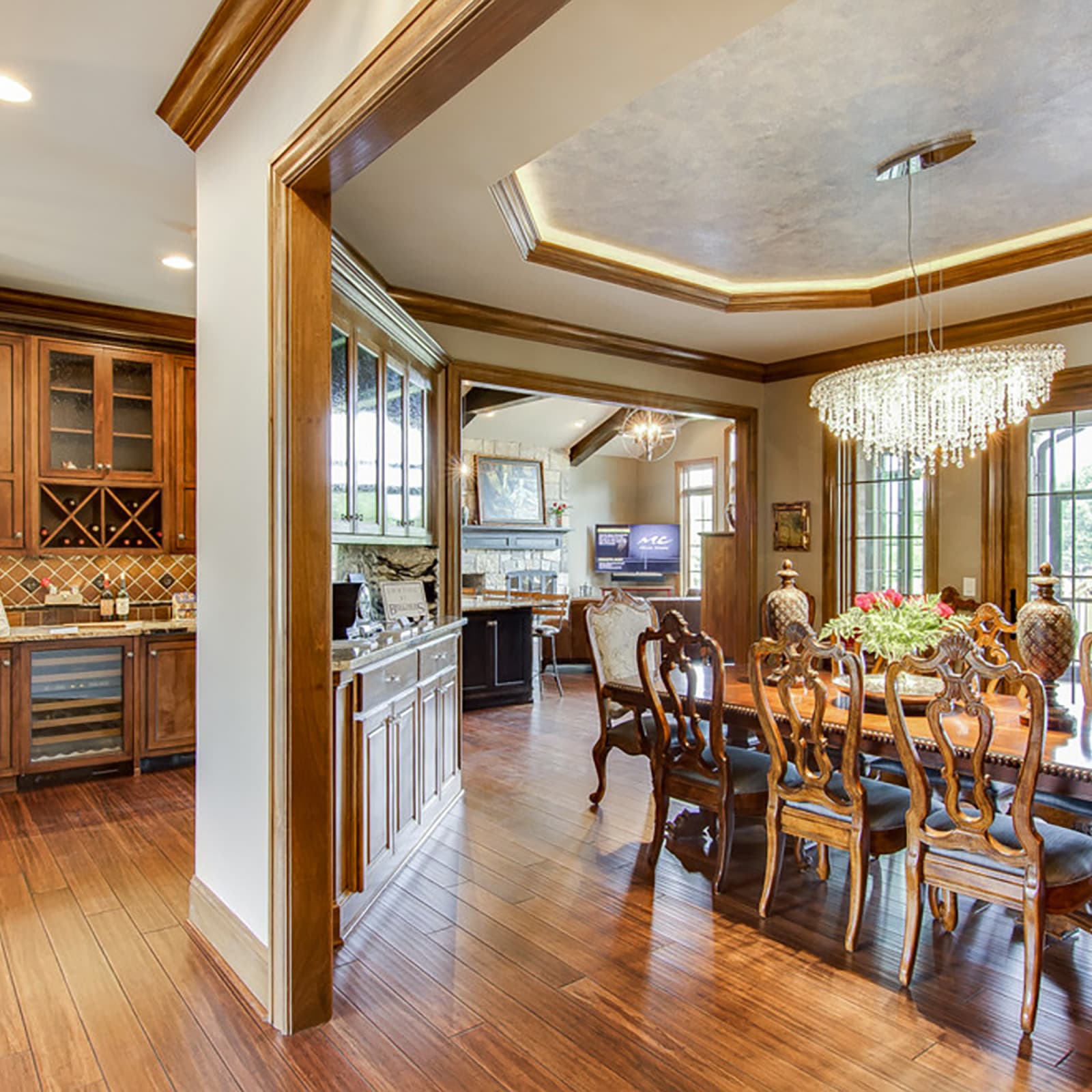
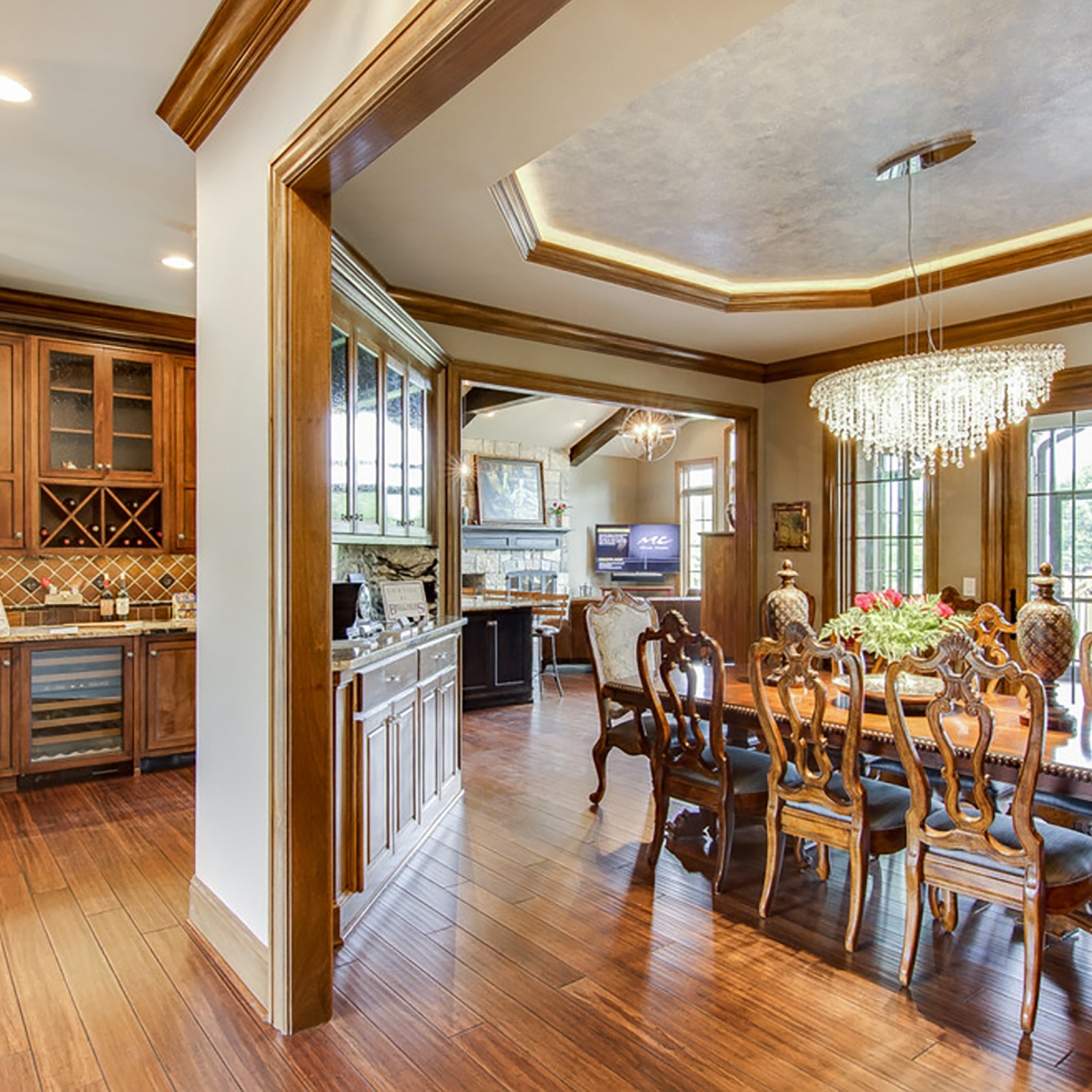
The Victorian house was an exercise in deliberate excess - turned spindles, carved newel posts, jewel-toned wallpapers, and floors so dark they made the rest of the room glow against them. The current Victorian revival drops the maximalism, mostly, but keeps the deep, anchored color palette underneath. The result is rooms that feel grown-up, considered, and a little theatrical.
Victorian floors are about contrast. Dark, rich wood tones make pale walls feel airier, brass and gold fixtures feel warmer, and saturated upholstery feel intentional rather than overstated. The trick with deep flooring is making sure the wood-look has real chromatic depth - flat dark brown reads as cheap. Floors with visible grain, varied tone, and a low-sheen finish capture the Victorian gravity without falling into bargain-bin territory.
Color Story
Mahogany, walnut, espresso, and the deepest amber browns. Floors meant to feel substantial - surfaces that anchor heavy drapery, jewel-toned walls, and the kind of statement furniture you inherit, not assemble.
Featured Floors for Victorian Style Homes
CALI · Engineered Bamboo
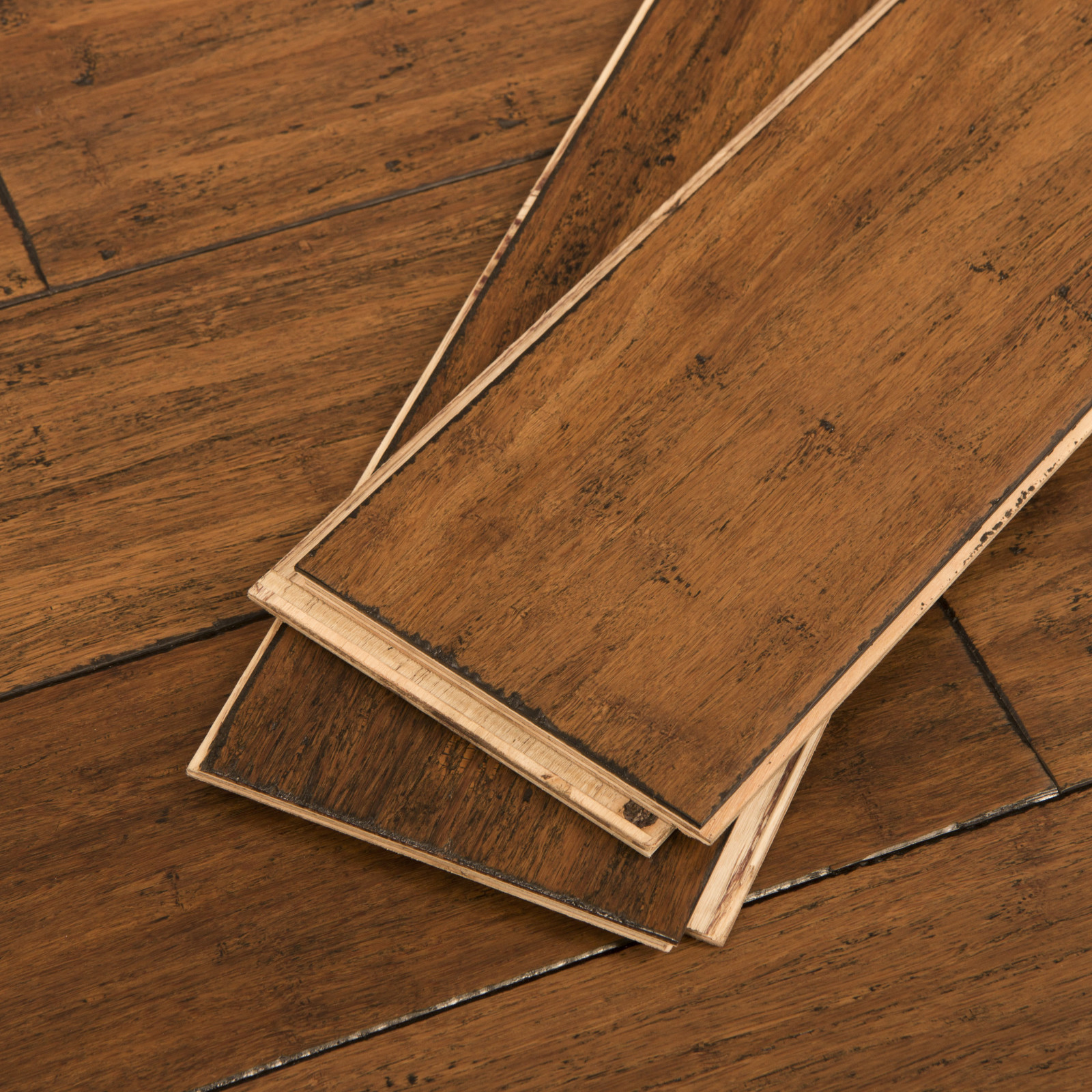
Antique Java - Engineered Bamboo
Deep espresso · solid-strand engineered bamboo · long planks · 50-year residential warranty
Best For:
Victorian-era homes, Italianate restorations, and revival projects that need a genuinely dark floor with real material substance. Antique Java's depth comes from carbonized bamboo, not just a dark stain - which means the color reads with character rather than as a flat coating.
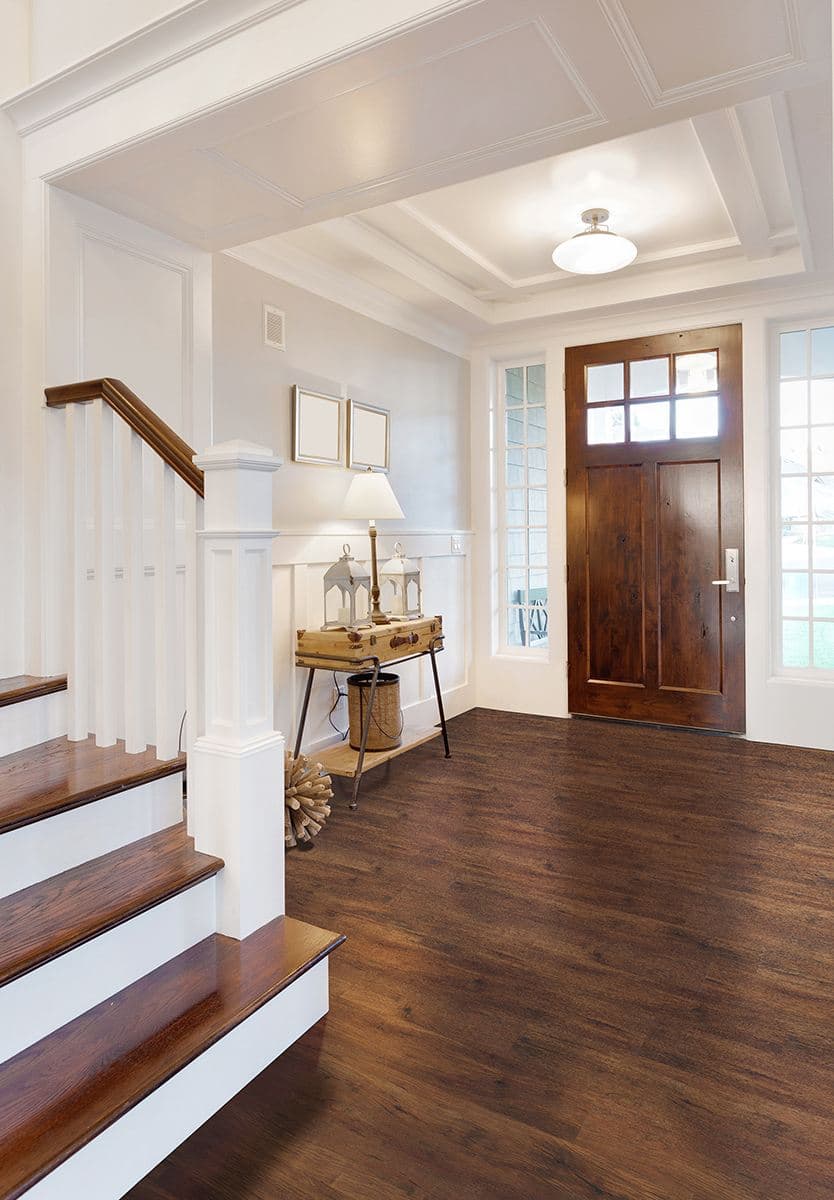
MSI · Cyrus 2.0
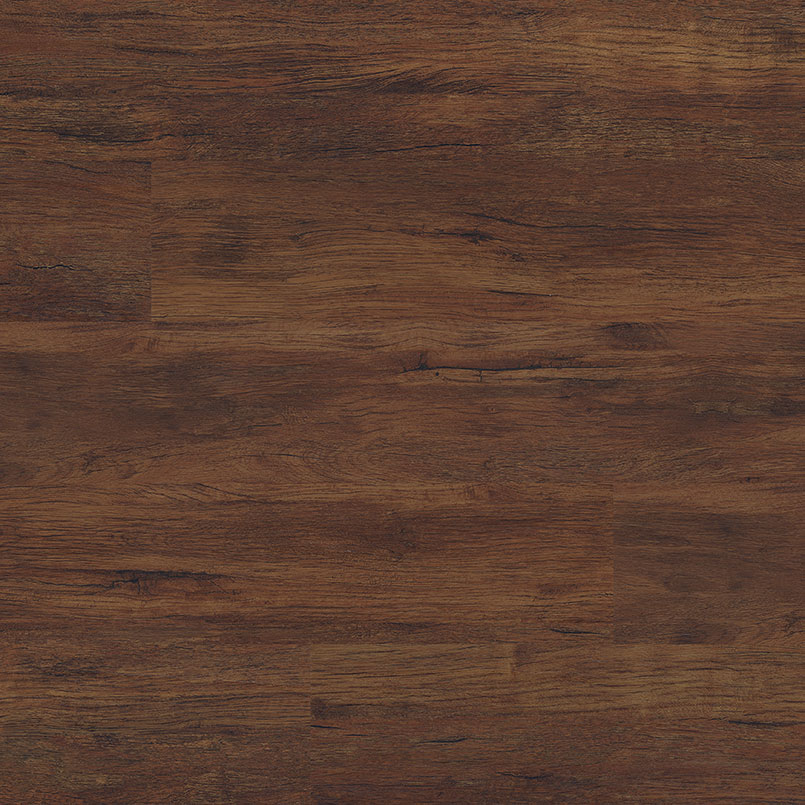
Braly - Cyrus 2.0
Warm rich brown · 20 mil wear layer · 5mm SPC core · 7″ × 48″ planks
Best For:
Modern Victorian interpretations that want the mahogany-warmth without going all the way to espresso. Braly carries the chromatic depth of a traditional dark wood while staying a touch lighter than full Victorian - easier to layer with current furniture and lighting without making rooms feel sealed shut.
American Colonial · 1600s - 1780s, Colonial Revival 1880s - today
Colonial
Light, blonde, restrained. Quiet symmetry over loud detail.
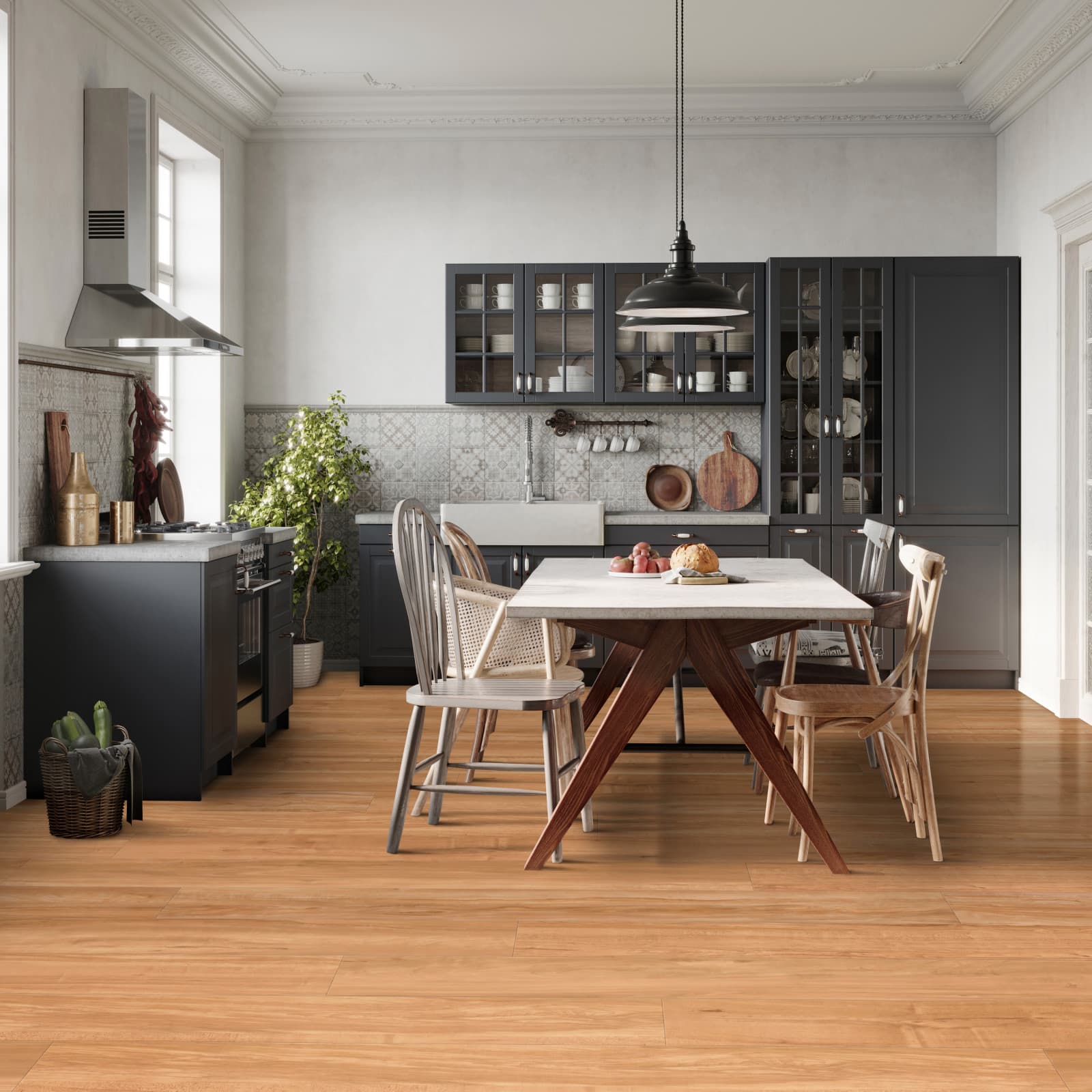
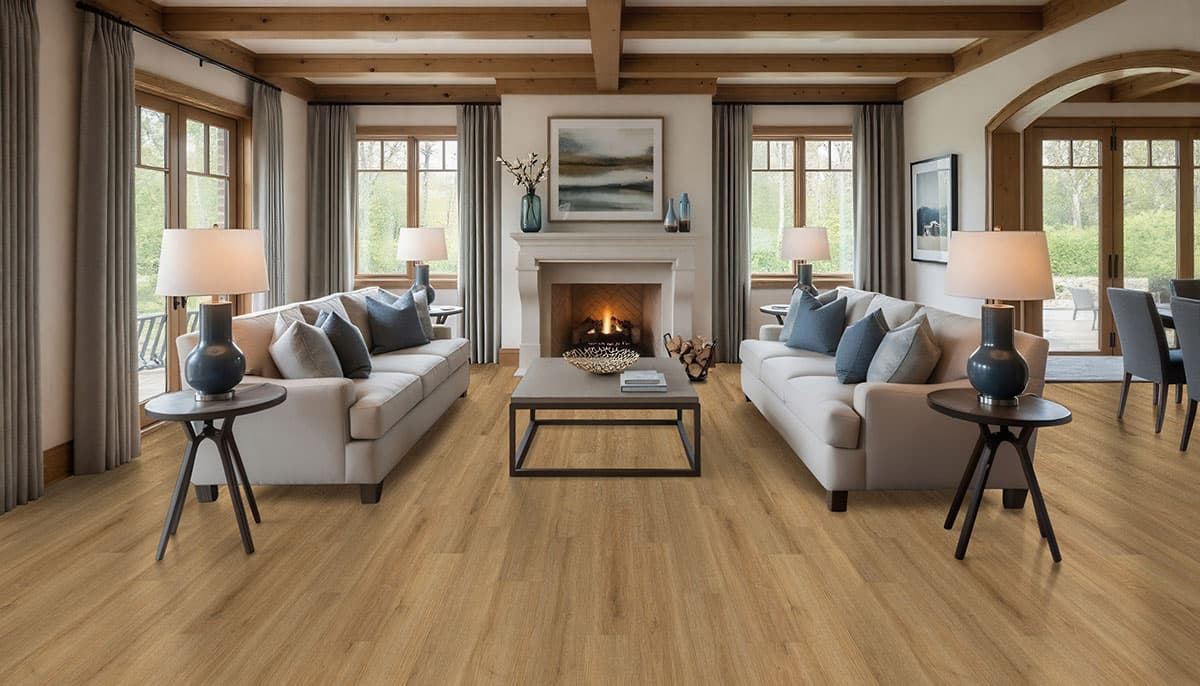
American Colonial homes were built around order - center entries, balanced windows, simple millwork, restrained color. The Colonial Revival movement that followed in the late nineteenth and early twentieth centuries softened the lines but kept the values: symmetry, simplicity, light. A Colonial-style floor is rarely the star of the room - it is the foundation that lets the proportions and the trim do their work.
Light blonde and pale-natural-oak floors are doing in 2026 what white-painted built-ins have always done in a Colonial: they create an even, gentle backdrop. The goal is not bright-white-washed (too modern, too coastal). The goal is warm-cream - a floor with enough wood character to feel real, with a tone restrained enough that it never competes with the rest of the room. Wider planks read a touch more current than the narrow strip oaks of the original Colonial Revival, which is generally the right call.
Color Story
Pale blondes, soft natural oaks, and warm-cream wood tones. The Colonial palette is built for symmetry and restraint - floors that recede so the architecture (the proportions, the millwork, the windows) gets to do the talking.
Featured Floors for Colonial Style Homes
CALI · All Star
Summer Blonde - All Star
Warm blonde · 22 mil wear layer · 7″ × 48″ planks · waterproof SPC
Best For:
Colonial Revival homes, Cape Cods, and any space where the floor needs to be a gentle blonde backdrop. Summer Blonde runs warm rather than cool - it pairs cleanly with painted-white trim, brass and bronze fixtures, and the muted color palettes Colonial interiors are built around.
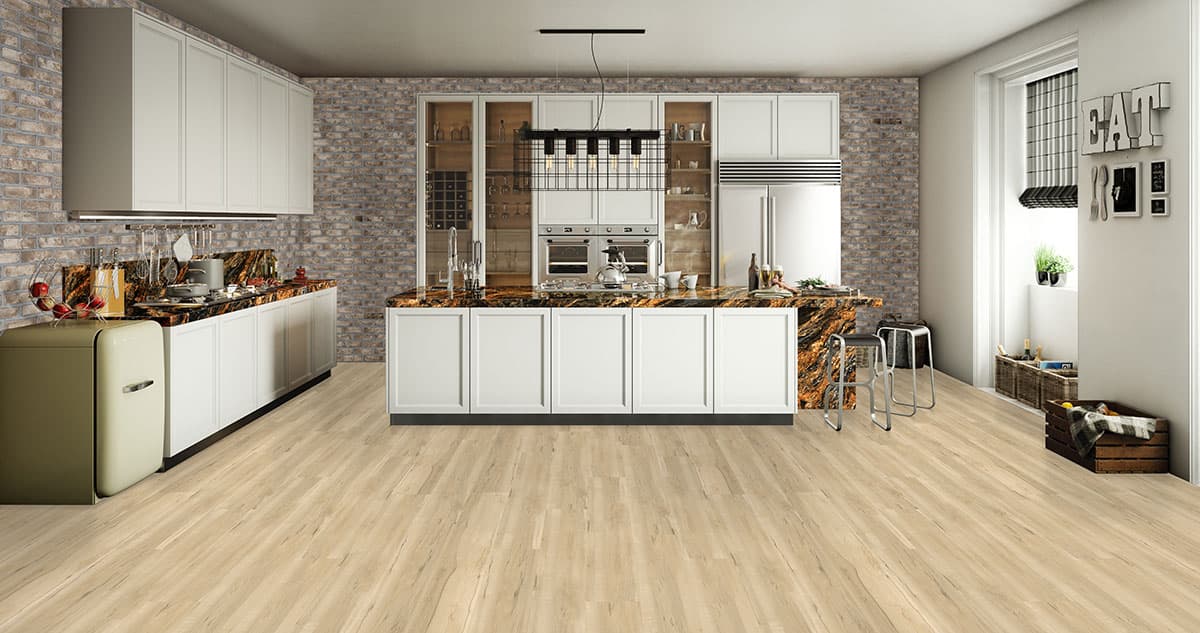
MSI · Cyrus 2.0
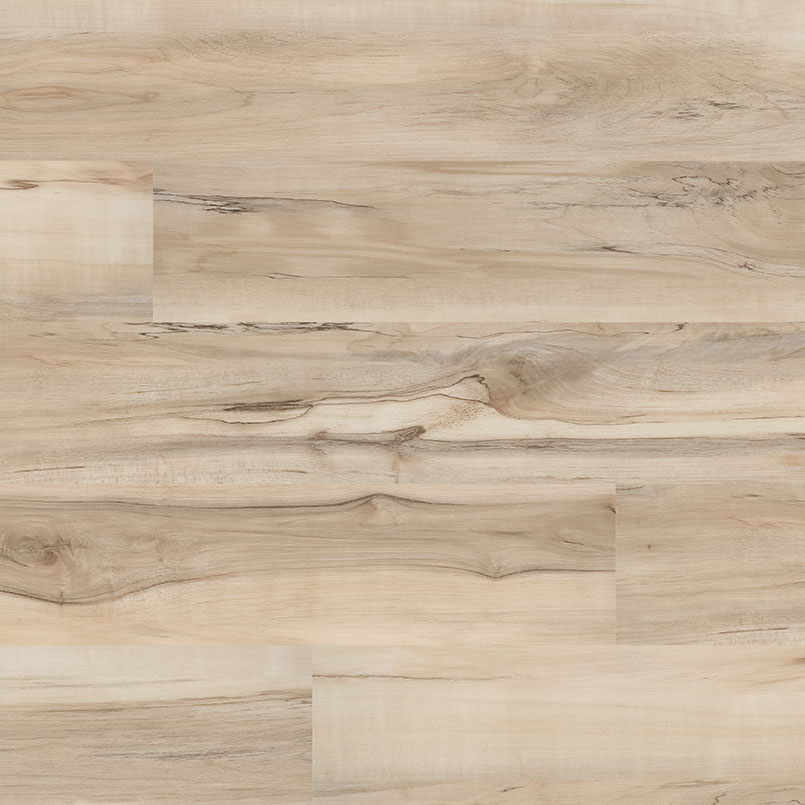
Akadia - Cyrus 2.0
Soft tan blonde · 20 mil wear layer · 5mm SPC core · 7″ × 48″ planks
Best For:
Colonial homes and Colonial-revival interiors that want a slightly more textured blonde than the very-pale options on the market. Akadia carries a touch of natural color variation in the grain, which keeps the floor from reading as flat - easy to layer with off-white walls, warm millwork, and traditional rugs.
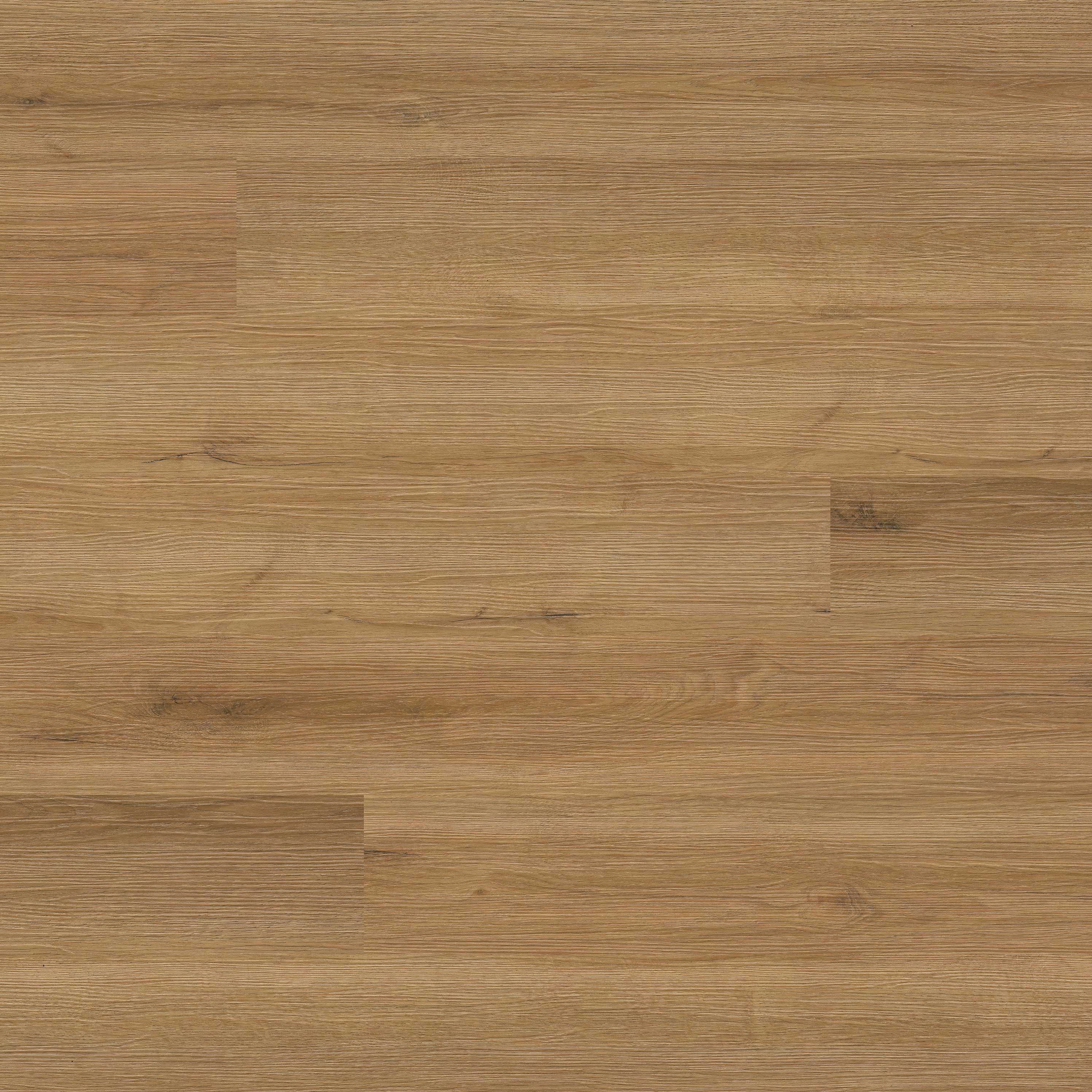
Order the samples from this guide.
Photos get you close. Holding the plank in your own light gets you certain. Samples are free, shipping is a flat $9.99, and they arrive at your door in days.
Traditional Flooring FAQ
The questions homeowners ask when matching floor to architectural style.
What is the best flooring for a Craftsman style home?
Warm honey-toned and amber-stained wood-look flooring is the right call for Craftsman and Arts-&-Crafts revival homes. The original Craftsman bungalow was built around natural materials and visible craft, so the floor should read as real wood with genuine grain. Honey oaks (like Beach Tan) and amber honey tones (like Amber Forrester) both land squarely in the historical Craftsman palette. Avoid cool grays, dark mahogany, and high-gloss finishes - all three fight the Craftsman aesthetic.
What flooring did Victorian homes have?
Original Victorian homes typically had narrow-strip hardwood floors in deep, rich tones - mahogany, walnut, dark oak, and heavily stained pine. The floor was often covered with patterned area rugs in jewel tones, with the dark wood visible around the perimeter to anchor the room. Modern Victorian revivals keep the deep color story (Antique Java engineered bamboo or Cyrus 2.0 Braly are both period-appropriate options) but lean into wider, longer planks and lower-sheen finishes that feel more current.
What flooring is best for a Colonial style home?
Light blonde and natural-oak wood-look flooring fits Colonial and Colonial Revival homes best. The Colonial aesthetic is built on symmetry, restraint, and balanced proportions, so the floor needs to be a quiet background rather than a focal point. Warm-blonde options like CALI's Summer Blonde and MSI's Akadia both deliver the right tone - warm enough to read as a real wood, restrained enough to step back and let the architecture work. Avoid very dark, very gray, or high-variation grain patterns for a Colonial interior.
Are dark wood floors making a comeback?
Yes - but specifically in traditional and revival interiors. The 2026 design conversation has shifted away from cold gray and toward warmer, more saturated tones across the board, and that includes a real comeback for deep mahogany and espresso floors in Victorian-leaning homes. The caveat is that the dark floor has to have chromatic depth - visible grain, color variation, a low-sheen finish. Flat-dark, high-gloss vinyl reads as dated. A floor like Antique Java engineered bamboo carries enough natural variation to feel current.
Is honey oak in style?
Honey oak is one of the strongest-trending wood tones of 2026. The reaction against cool-gray flooring has pushed the market hard toward warm, honest wood tones, and honey oak sits in the perfect middle - warm without going orange, traditional without going dated. The current honey oak look is wider-plank, lower-sheen, and more refined than the orange-honey oak floors of the 1990s - same color family, much better execution.
What is the difference between Craftsman, Victorian, and Colonial style?
Craftsman (1900s - 1930s) is built on natural materials, honest craft, and warm honey-oak tones - think bungalows with exposed beams, Mission furniture, and unpainted woodwork. Victorian (1837 - 1901) is ornate, theatrical, and built on deep, rich mahogany and walnut floors paired with elaborate trim and jewel-tone interiors. Colonial (1600s - 1780s and the later 1880s+ Revival) is the most restrained of the three: symmetry, simple millwork, and light blonde or natural-oak floors that let the architecture speak. The flooring choice for each follows directly from the color story: honey for Craftsman, deep mahogany for Victorian, light blonde for Colonial.
Can you use vinyl plank in a traditional home?
Yes - modern premium vinyl plank is a strong fit for traditional and revival interiors. The realism on current 20+ mil wear-layer SPC vinyl is genuinely hard to distinguish from engineered hardwood at normal viewing distance, especially in honey-oak, mahogany, and blonde tones where the grain pattern reads as authentic wood rather than abstract texture. Vinyl plank also handles moisture, pets, and traffic far better than original-era hardwood, which makes it a practical choice for kitchens, bathrooms, and entryways in older homes where real wood would have problems.
Should the flooring match the architectural style of the home?
Generally yes, but not religiously. A floor that fights the architecture (cold-gray vinyl in a Victorian, mahogany in a beach Colonial) will always feel slightly off - the eye notices the mismatch even when it cannot name it. A floor that respects the architecture (honey oak in a Craftsman, blonde in a Colonial, deep brown in a Victorian) lets the rest of the design carry the room. The exception is contemporary takes - modernized Craftsmans, transitional Victorians - where a slightly off-period floor can read as a deliberate update rather than a mistake.
What finish should traditional-style flooring have?
Matte or low-sheen, always. Traditional architecture - Craftsman, Victorian, and Colonial alike - is built on natural materials with natural finishes. High-gloss vinyl reads instantly as inauthentic in any of the three styles, while matte and satin finishes match the way real period-correct wood would have been finished (oiled, waxed, or hand-rubbed shellac, never lacquered). Every modern premium vinyl line now ships matte by default - it is what the entire category has moved to over the last few years.