
Waterproof Flooring Guide 2026: Which Floors Can Handle Water?
Spills happen. Kids happen. Pets happen. Whether you're installing flooring in a bathroom, kitchen, basement, or anywhere moisture is a concern, understanding which floors are truly waterproof—and which are just water-resistant—can save you thousands in damage.
Quick Answer: Which Flooring Is Waterproof?
- Vinyl (SPC/WPC): 100% waterproof - can be submerged without damage
- Luxury Laminate: Waterproof cores available - more realistic than vinyl
- Engineered Hardwood: Water-resistant only - standing water will cause damage
- Bamboo: Water-resistant only - better than hardwood, but not waterproof
"Waterproof" is one of the most searched terms in flooring—and one of the most misunderstood. Manufacturers use it loosely, and what's waterproof in a marketing brochure might not survive a flooded basement or a forgotten bath running over.
This guide cuts through the marketing speak. We'll explain exactly how each flooring type handles water, where you can (and can't) install them, and which products offer the best protection for high-moisture areas like bathrooms, kitchens, laundry rooms, and basements.
In This Guide:
Is Vinyl Flooring Waterproof?
Yes—modern vinyl plank flooring is 100% waterproof. This is vinyl's biggest advantage over every other flooring type. The core materials (SPC or WPC) are completely impervious to water, and the vinyl surface layer doesn't absorb moisture.
You can literally submerge vinyl planks in water indefinitely without damage. This makes vinyl the only flooring type that's truly safe for:
- Bathrooms (including full baths with showers and tubs)
- Basements prone to flooding or moisture seepage
- Laundry rooms with potential washing machine leaks
- Commercial spaces that get mopped frequently
- Kitchens where spills are inevitable
SPC vs WPC: Both Are Waterproof
You'll see two core types in vinyl flooring:
- SPC (Stone Plastic Composite): Denser, more rigid, thinner profile. Better for uneven subfloors and high-traffic commercial use.
- WPC (Wood Plastic Composite): Softer underfoot, better sound absorption, slightly thicker. More comfortable for bedrooms and living areas.
Both are 100% waterproof. The choice between SPC and WPC is about comfort and installation requirements, not water protection.

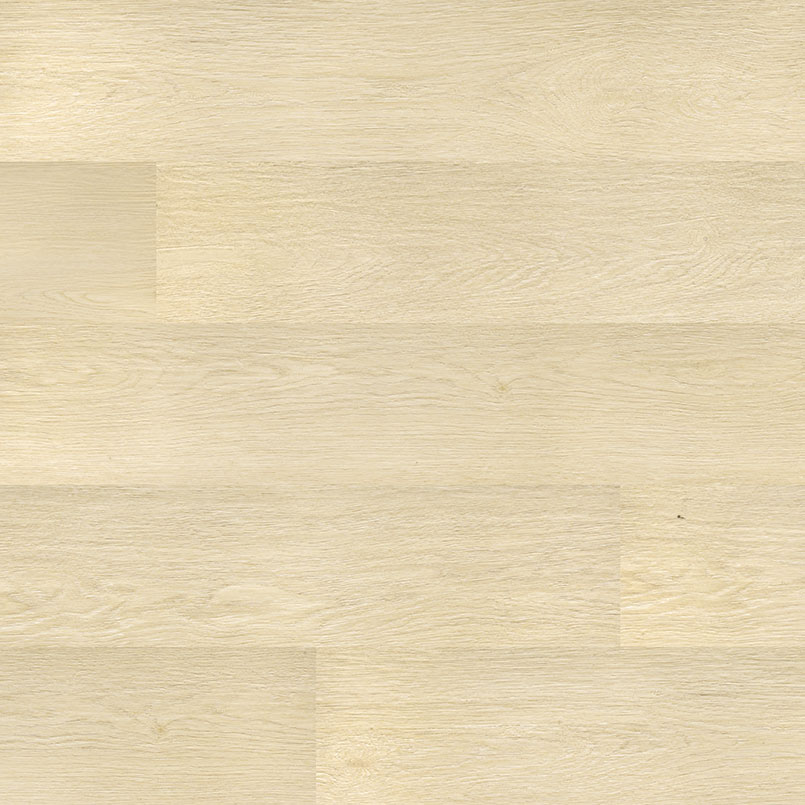
CALI - Artisan Shoal (Laguna Collection)
100% Waterproof WPC Vinyl
Wide planks with realistic oak grain. Completely waterproof core with attached acoustic padding for comfort and sound reduction.
Shop All Vinyl Flooring →Is Laminate Flooring Waterproof?
Modern luxury laminate can handle moisture well—and offers benefits vinyl can't match. Traditional laminate uses MDF cores that swell when exposed to moisture, but premium collections like Santa Cruz now use high-density waterproof cores that resist moisture effectively.
Why Choose Laminate Over Vinyl?
Laminate's biggest advantage is visual authenticity. Premium laminate delivers grain depth, texture, and that natural wood feel that vinyl struggles to replicate. The rigid core provides a more solid, natural walking experience compared to vinyl's slightly softer feel.
- More realistic wood look: Deeper embossing and grain texture than vinyl
- AC4 scratch resistance: Rated for heavy residential and light commercial traffic
- Attached acoustic padding: Quieter and more comfortable underfoot
- Natural wood feel: Firm, solid walking experience
Water Considerations
While laminate cores are waterproof, the edges where planks meet can be vulnerable if water sits too long. Premium laminate handles this well in most situations:
Where waterproof laminate excels: Kitchens, living rooms, bedrooms, half-baths/powder rooms, and any space where you want authentic wood visuals with good water resistance. For full bathrooms and basements, laminate can work but requires more attention to spills—if that's a concern, vinyl may be the safer choice.
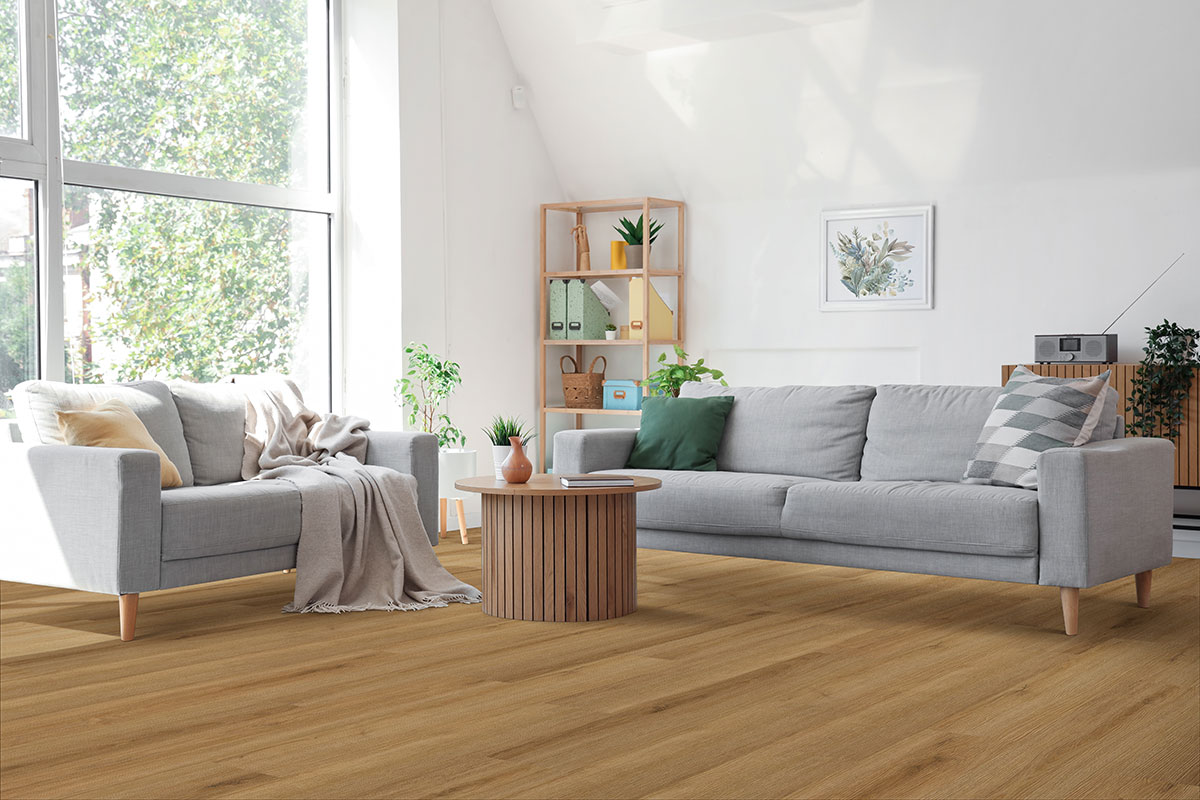
MSI Everlife - Amber Forrester (Cyrus Collection)
100% Waterproof MSI Everlife Luxury Vinyl
Warm amber-brown planks with a rigid stone-polymer core that will not swell, warp, or buckle from water. A 12 mil wear layer and 7"x48" click-lock format make it a worry-free pick for kitchens, baths, and basements.
Get a Quote for Amber Forrester →Is Engineered Hardwood Waterproof?
Engineered hardwood is water-resistant—and nothing beats the look of real wood. While it's not fully waterproof, engineered hardwood handles everyday life well and offers something no other flooring can: genuine wood beauty that appreciates your home's value.
Why Choose Hardwood?
There's a reason hardwood remains the gold standard for flooring. It's not just about looks—it's about how your home feels:
- Real wood beauty: Natural grain variation and warmth that vinyl and laminate can't fully replicate
- Adds home value: Hardwood floors are a proven selling point for buyers
- Refinishable: Can be sanded and refinished to look new again
- Timeless appeal: Never goes out of style; works with any decor
- Better dimensional stability: Engineered construction handles humidity better than solid wood
Water Considerations
Engineered hardwood handles normal household moisture well:
- Spills are fine: Wipe up a spilled drink within a few minutes and there's no damage
- Humidity is manageable: Engineered construction handles humidity fluctuations well
- Standing water needs attention: Water left for extended periods should be avoided
Where engineered hardwood excels: Living rooms, bedrooms, dining rooms, hallways, kitchens, and anywhere you want the authentic beauty and value of real wood. For bathrooms and basements, hardwood can be used at your own discretion—many homeowners do successfully, but vinyl offers more peace of mind in these spaces.
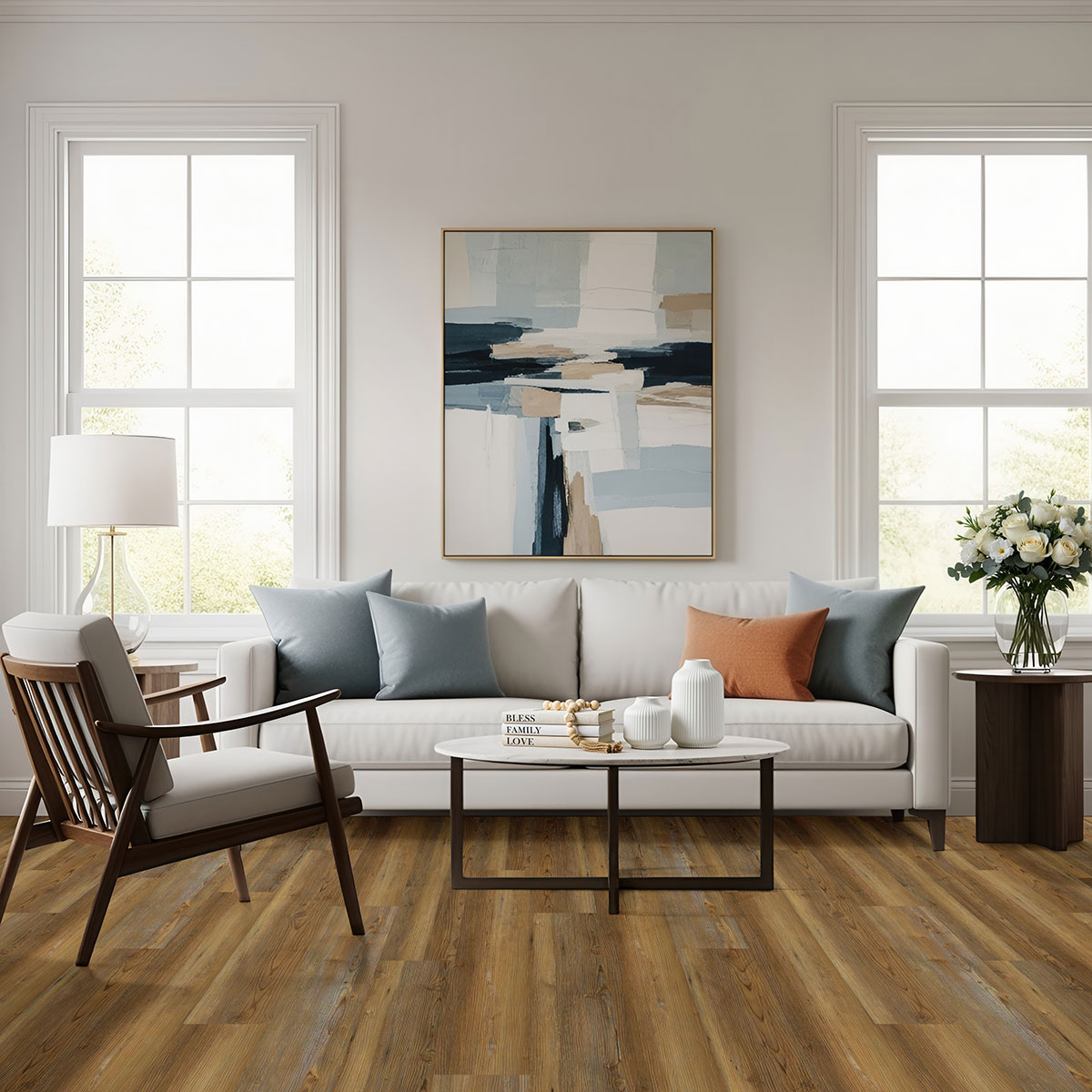
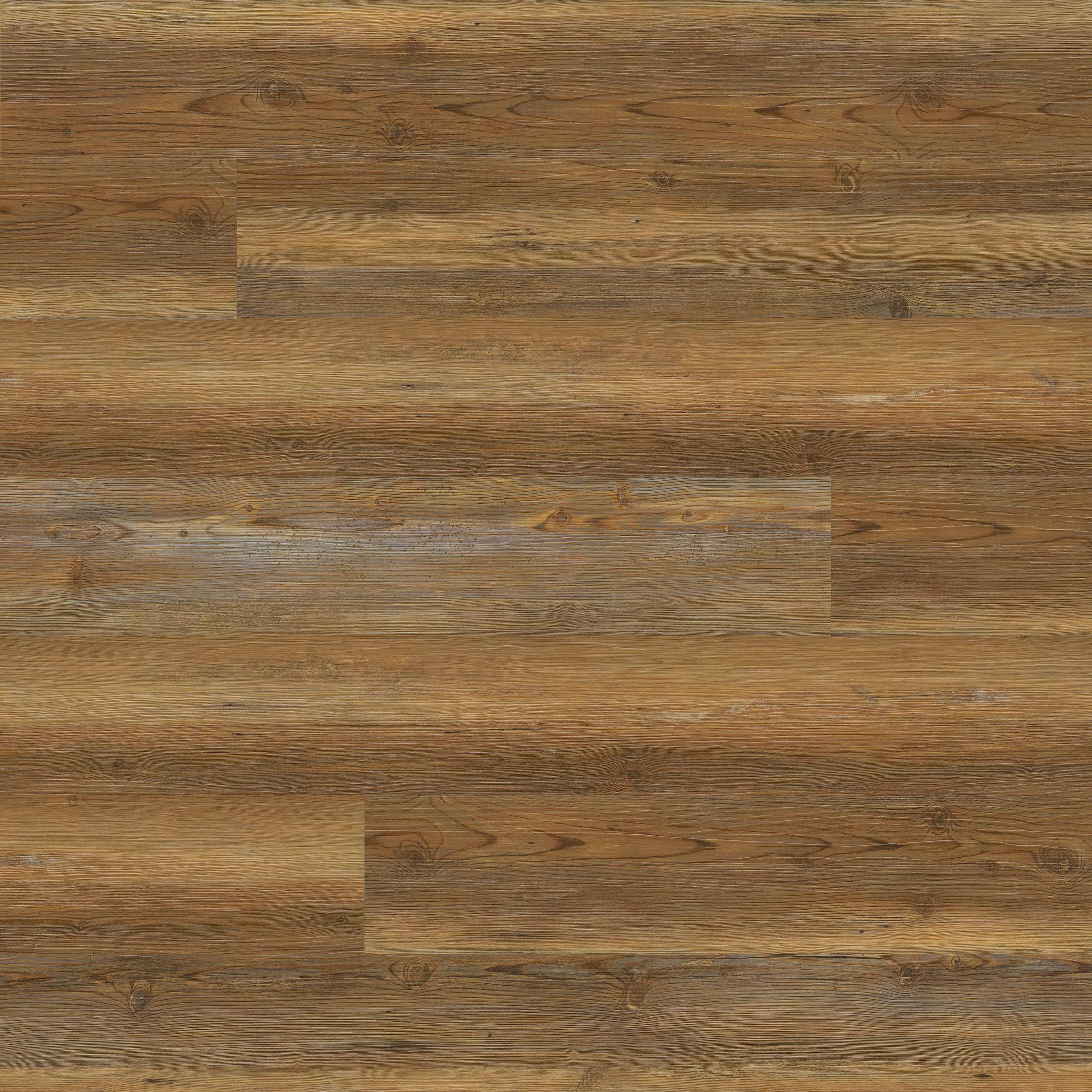
MSI Everlife - Barnstorm (Cyrus Collection)
100% Waterproof MSI Everlife Luxury Vinyl
Rustic brown planks with reclaimed-barnwood character and a 100% waterproof rigid core. Unlike real wood, it shrugs off standing water—no cupping or warping—so you get the weathered look without the moisture worry.
Get a Quote for Barnstorm →Is Bamboo Flooring Waterproof?
No—but bamboo is more water-resistant than traditional hardwood. Bamboo is technically a grass, not a wood, and its cellular structure handles moisture slightly better than oak or maple. However, it's still an organic material that absorbs water.
Strand-woven bamboo (where bamboo fibers are compressed under extreme pressure) offers the best water resistance in the bamboo category. The dense construction leaves fewer gaps for water to penetrate. But even strand-woven bamboo isn't waterproof—standing water will eventually cause damage. For a deeper dive, see our bamboo flooring guide.
Bamboo's Advantage: Hardness
Where bamboo shines isn't water resistance—it's hardness. Strand-woven bamboo is harder than most hardwoods, which means:
- Better scratch resistance from pets and furniture
- More durable in high-traffic areas
- Longer lifespan with proper care
Where bamboo works: Same as engineered hardwood—living areas, bedrooms, kitchens (with spill awareness). The added hardness makes it particularly good for homes with dogs or heavy furniture.
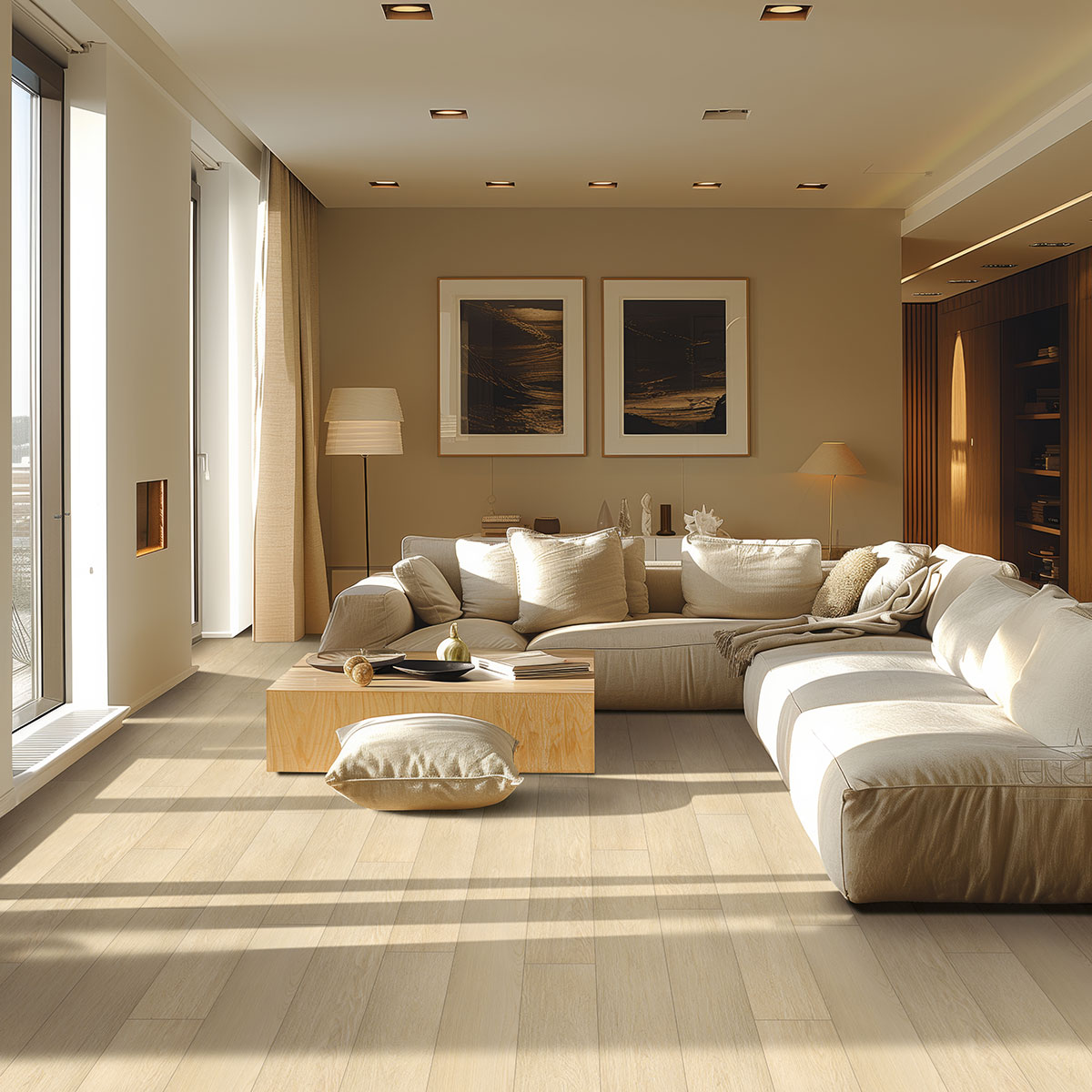
MSI Everlife - Lenexa Creek (Cyrus Collection)
100% Waterproof MSI Everlife Luxury Vinyl
A mid-tan plank with gentle, even grain and a 100% waterproof stone-polymer core. The 12 mil wear layer stands up to pets and high traffic, and the core stays stable in bathrooms, laundry rooms, and below-grade basements.
Get a Quote for Lenexa Creek →Waterproof vs Water-Resistant: What's the Difference?
These terms get used interchangeably in marketing, but they mean very different things:
Waterproof
- • Can be submerged in water without damage
- • Standing water for hours/days is fine
- • Safe for bathrooms, basements, flood zones
- • Will survive a burst pipe or flooding
- • Zero worry about moisture damage
Examples: Vinyl (SPC/WPC)
Water-Resistant
- • Handles spills if wiped up quickly
- • Standing water needs prompt cleanup
- • Works in bathrooms/basements with care
- • Offers authentic wood beauty
- • Adds real value to your home
Examples: Engineered Hardwood, Bamboo
Luxury laminate sits in between: Premium collections with waterproof cores offer better protection than hardwood/bamboo, but the edge vulnerability means they're not as bulletproof as vinyl. Think of waterproof laminate as "highly water-resistant" rather than truly waterproof.
Waterproof Flooring Comparison Table
| Flooring Type | Water Rating | Bathrooms | Basements | Kitchens | Best For |
|---|---|---|---|---|---|
| Vinyl (SPC/WPC) | 100% Waterproof | Yes | Yes | Yes | Zero-worry durability |
| Luxury Laminate | Waterproof Core | Yes (seal edges) | Yes (seal edges) | Yes | More realistic than vinyl |
| Engineered Hardwood | Water-Resistant | At your own risk | At your own risk | Yes | Real wood beauty + home value |
| Bamboo | Water-Resistant | At your own risk | At your own risk | Yes | Extreme durability + hardness |
Best Waterproof Flooring by Room
Bathrooms
Winner: Vinyl (SPC or WPC)
Full bathrooms with showers and tubs need truly waterproof flooring. Vinyl is the only option that can handle splashing water, humidity, and the occasional overflow without damage. Luxury laminate works for powder rooms/half-baths where water exposure is minimal.
Kitchens
Winner: Vinyl or Luxury Laminate
Kitchens see spills, but they usually get cleaned up quickly. Both vinyl and waterproof laminate work well here. Choose laminate if you want a more authentic wood look; choose vinyl if you want zero worry about water damage.
Basements
Winner: Vinyl (SPC preferred)
Basements are high-risk for moisture—groundwater seepage, flooding, and humidity. SPC vinyl is the safest choice: it's waterproof, doesn't need acclimation to moisture, and can be installed directly over concrete with minimal prep.
Laundry Rooms
Winner: Vinyl
Washing machine leaks can dump gallons of water quickly. Vinyl is the safest option. If you prefer laminate, use a water sensor/alarm near the washing machine and consider waterproof laminate with sealed edges.
Living Rooms & Bedrooms
Winner: Your preference
In low-moisture areas, water resistance matters less than aesthetics and comfort. Engineered hardwood and bamboo deliver authentic wood beauty. Laminate offers excellent visuals at a lower price. Vinyl provides worry-free durability. If you have pets, check our pet-friendly flooring guide for specific recommendations. Choose based on the look you want.
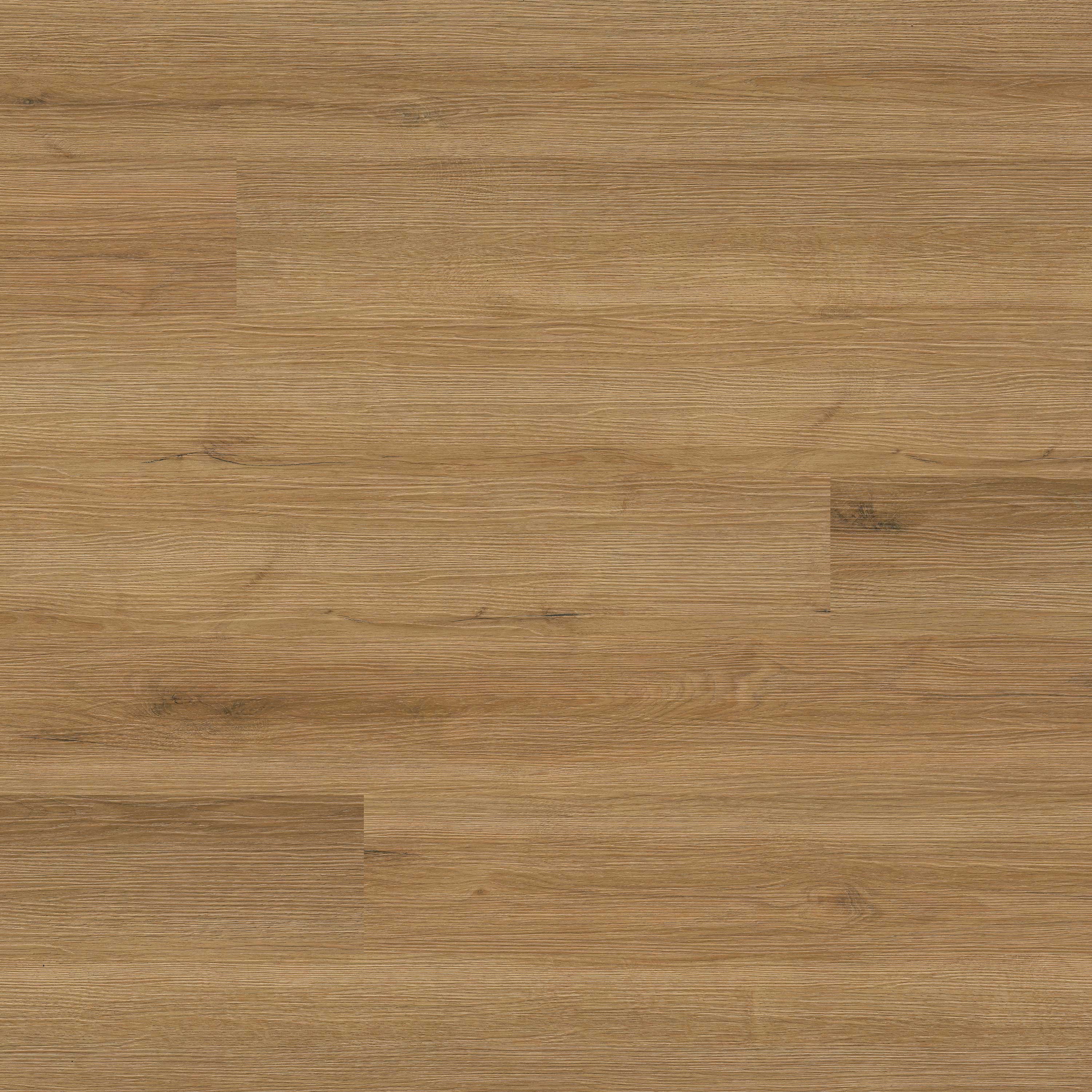
Order the samples from this guide.
Photos get you close. Holding the plank in your own light gets you certain. Samples are free, shipping is a flat $9.99, and they arrive at your door in days.
Frequently Asked Questions
Can I put vinyl flooring in my entire house?
Yes. Vinyl works in every room, including bathrooms and basements. Many homeowners choose vinyl for whole-home consistency. Premium collections like CALI Longboards and Legends offer realistic wood visuals that look great throughout a home.
Is waterproof laminate as good as vinyl?
For kitchens and living spaces, waterproof laminate is excellent—and many prefer it for the more realistic wood look and feel. Vinyl offers more peace of mind for bathrooms and basements where water exposure is higher. Choose based on your priorities: visual authenticity (laminate) vs. maximum water protection (vinyl).
Can engineered hardwood go in a kitchen?
Yes, with awareness. Engineered hardwood handles kitchen spills fine as long as you wipe them up promptly. Don't let water sit around the sink or dishwasher. Consider vinyl or laminate if you want less worry.
What happens if hardwood or bamboo gets wet?
Small spills wiped up quickly cause no damage. Standing water for hours will cause the wood fibers to swell, leading to cupping, warping, or delamination. Major water damage (flooding) usually requires replacing the affected flooring.
Find Your Perfect Waterproof Floor
Order samples and see the quality for yourself before you buy.