SPC Vinyl Flooring FAQ
Answers to the most common questions about stone polymer composite vinyl
What is SPC vinyl flooring?
SPC stands for stone polymer composite — a type of rigid core luxury vinyl plank (LVP). The core is made from a dense blend of limestone powder, polyvinyl chloride, and stabilizers, creating a plank that's harder, thinner, and more dent-resistant than WPC vinyl. SPC is 100% waterproof with click-lock installation, making it one of the most durable and practical flooring options available.
Is SPC better than WPC?
It depends on your priorities. SPC is better for dent resistance, temperature stability, and high-traffic or commercial areas — it won't expand, contract, or dent under heavy furniture. WPC is better for comfort underfoot, sound absorption, and living spaces where a softer feel matters. Both are 100% waterproof with click-lock installation. Many homeowners choose SPC for kitchens and bathrooms and WPC for bedrooms and living rooms.
Is SPC vinyl flooring waterproof?
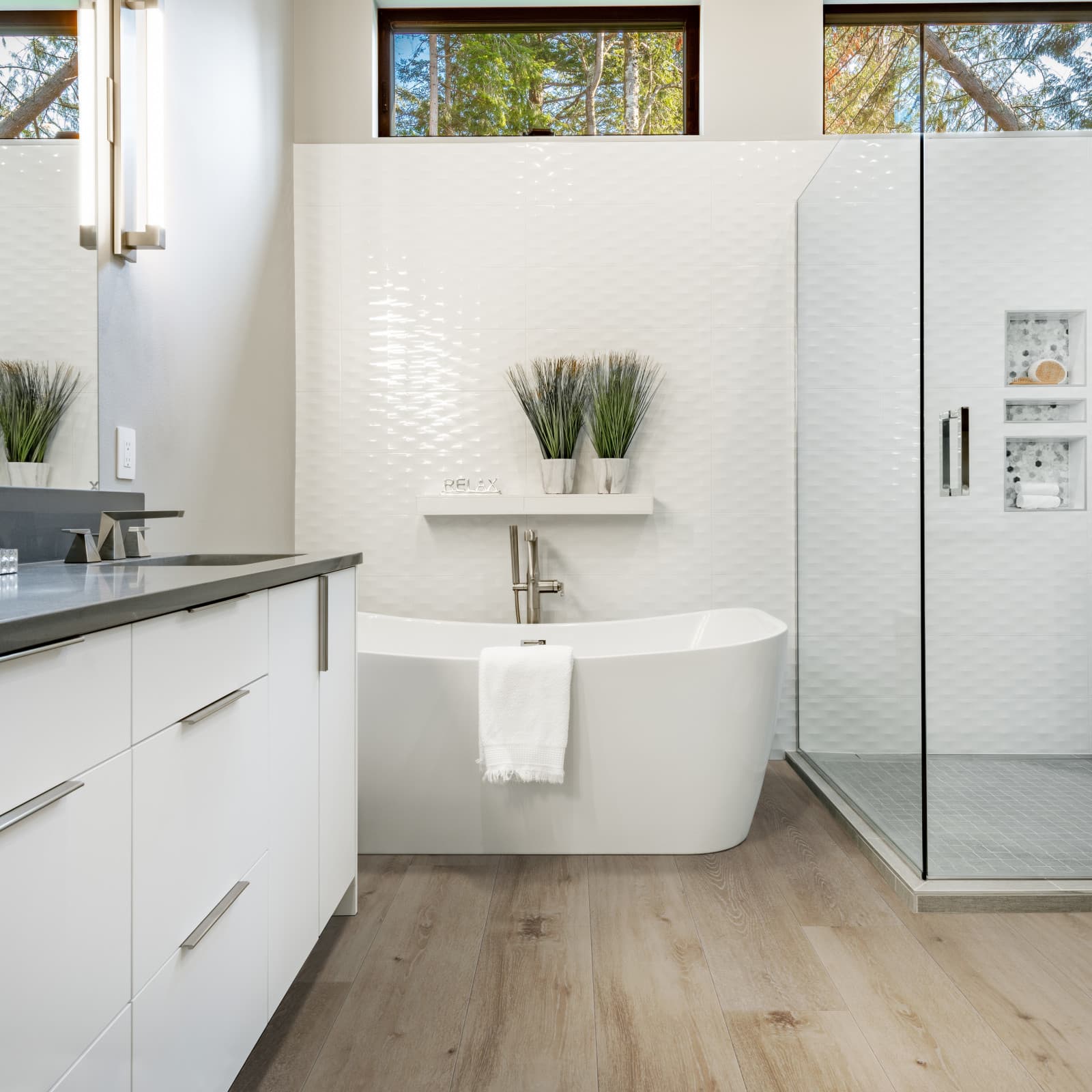
Yes — 100%. SPC vinyl's stone polymer composite core contains no organic materials that can absorb water. The core won't swell, warp, or buckle when exposed to water, making SPC ideal for kitchens, bathrooms, basements, laundry rooms, and any area where moisture is a concern. The click-lock seams also resist water penetration between planks.
Is SPC vinyl good for kitchens?
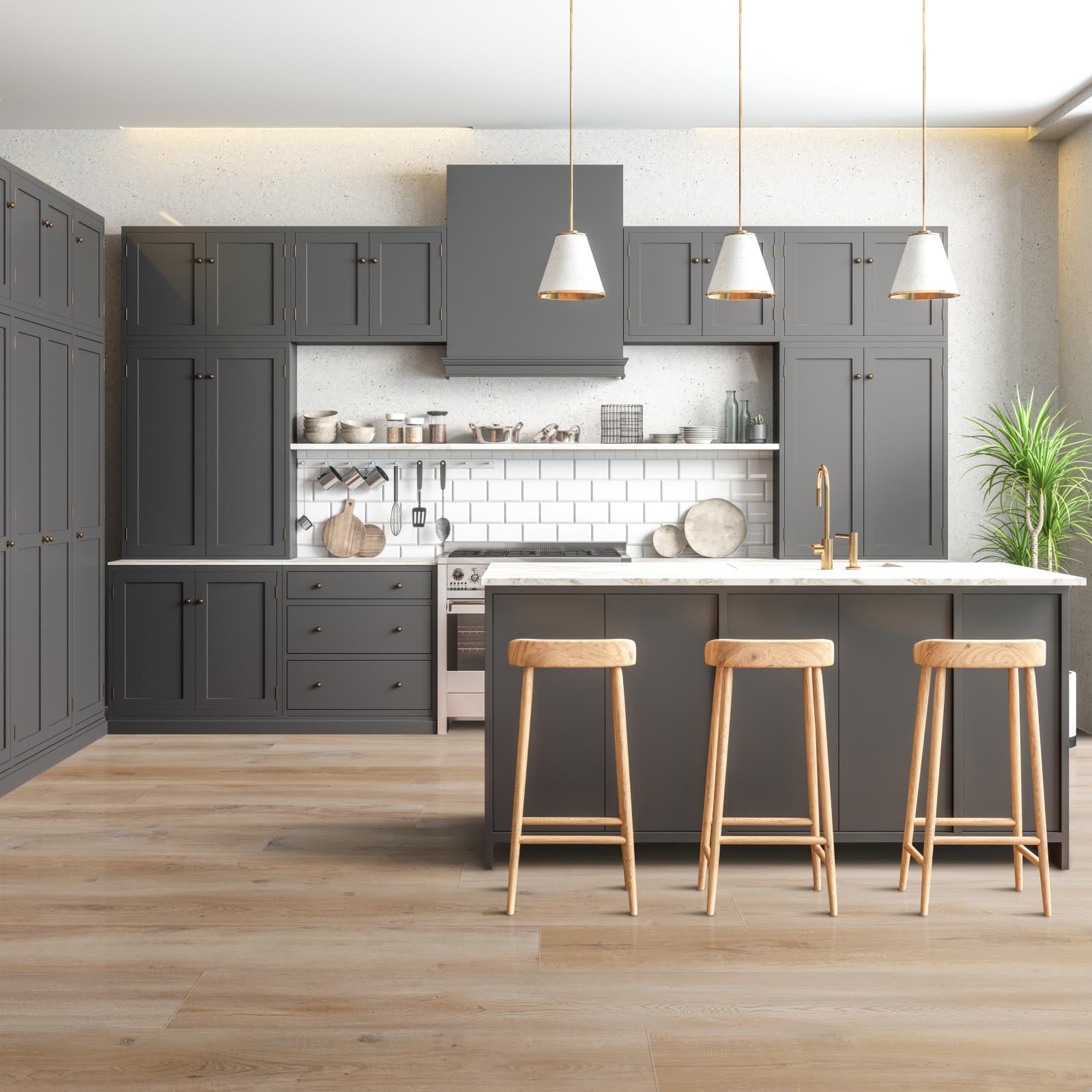
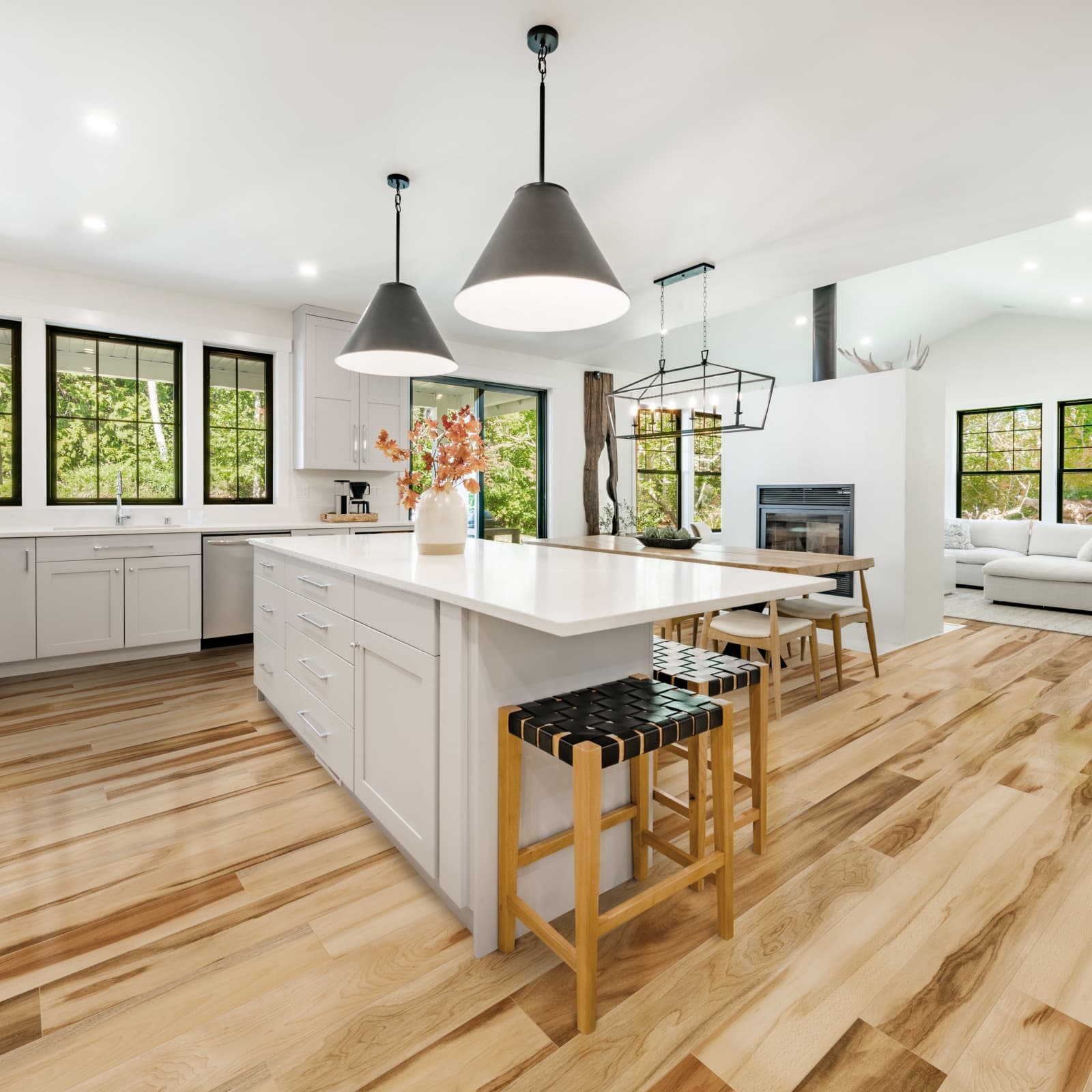
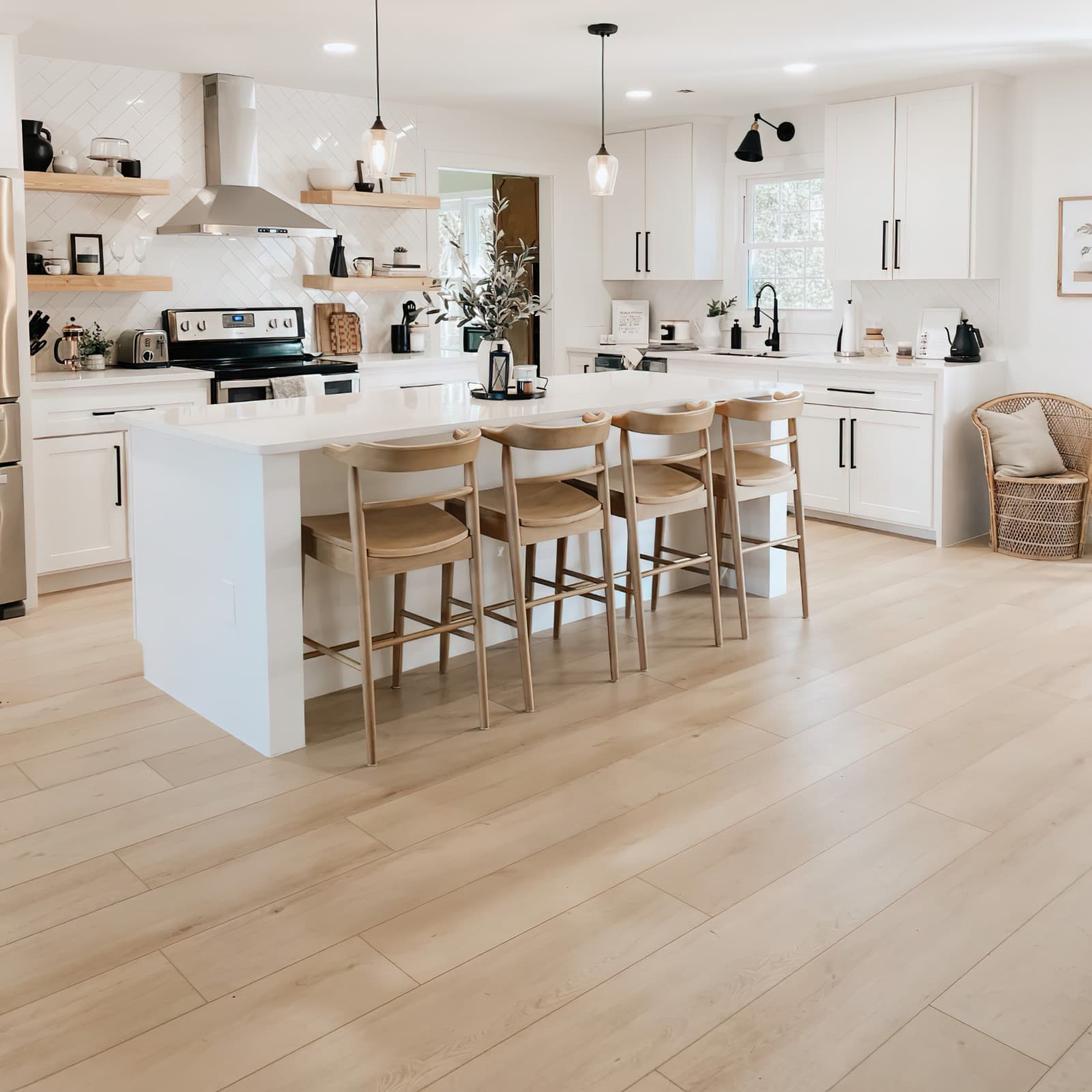
SPC is one of the best flooring choices for kitchens. The rigid mineral core resists dents from dropped cookware and heavy appliances. It's 100% waterproof, so spills and splashes won't cause damage. And the temperature stability means it won't expand or contract near ovens or dishwashers. CALI's Longboards and Windansea High Tide collections are especially popular for kitchen installations.
Can SPC vinyl handle temperature changes?
Yes — temperature stability is one of SPC's biggest advantages over WPC. The dense mineral core resists expansion and contraction from temperature swings, making SPC suitable for sunrooms, three-season rooms, and spaces near large windows or sliding glass doors. While no vinyl should be installed in direct, sustained sunlight without window treatments, SPC tolerates temperature variation far better than WPC or laminate.
Can SPC vinyl be installed in basements?
Absolutely. SPC is an excellent basement flooring choice. The 100% waterproof core handles moisture from concrete subfloors, the rigid construction resists dents from heavy items, and the click-lock installation works directly over concrete (with a moisture barrier if needed). SPC's temperature stability also handles the cooler temperatures typical of below-grade spaces.
What's the best SPC vinyl collection?
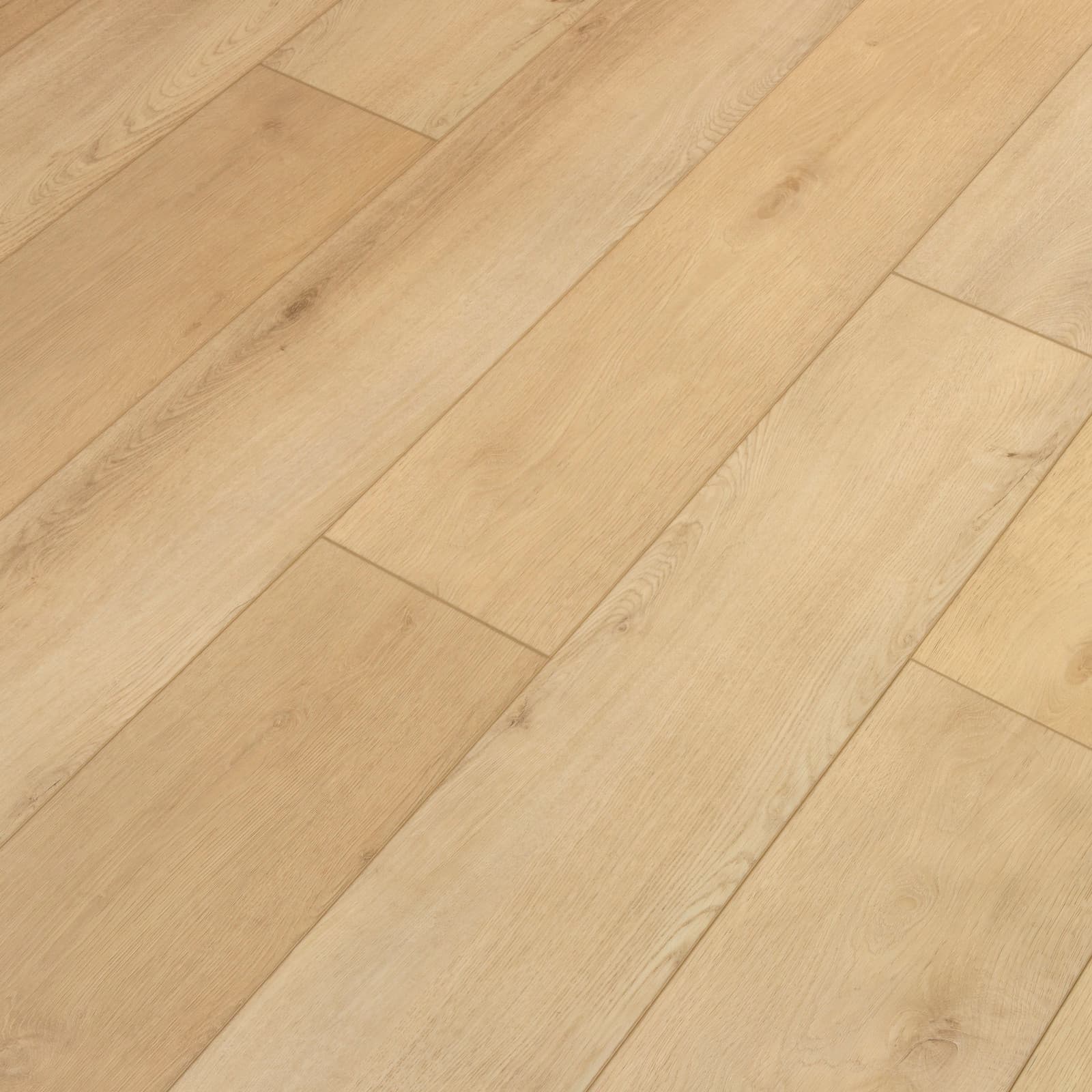
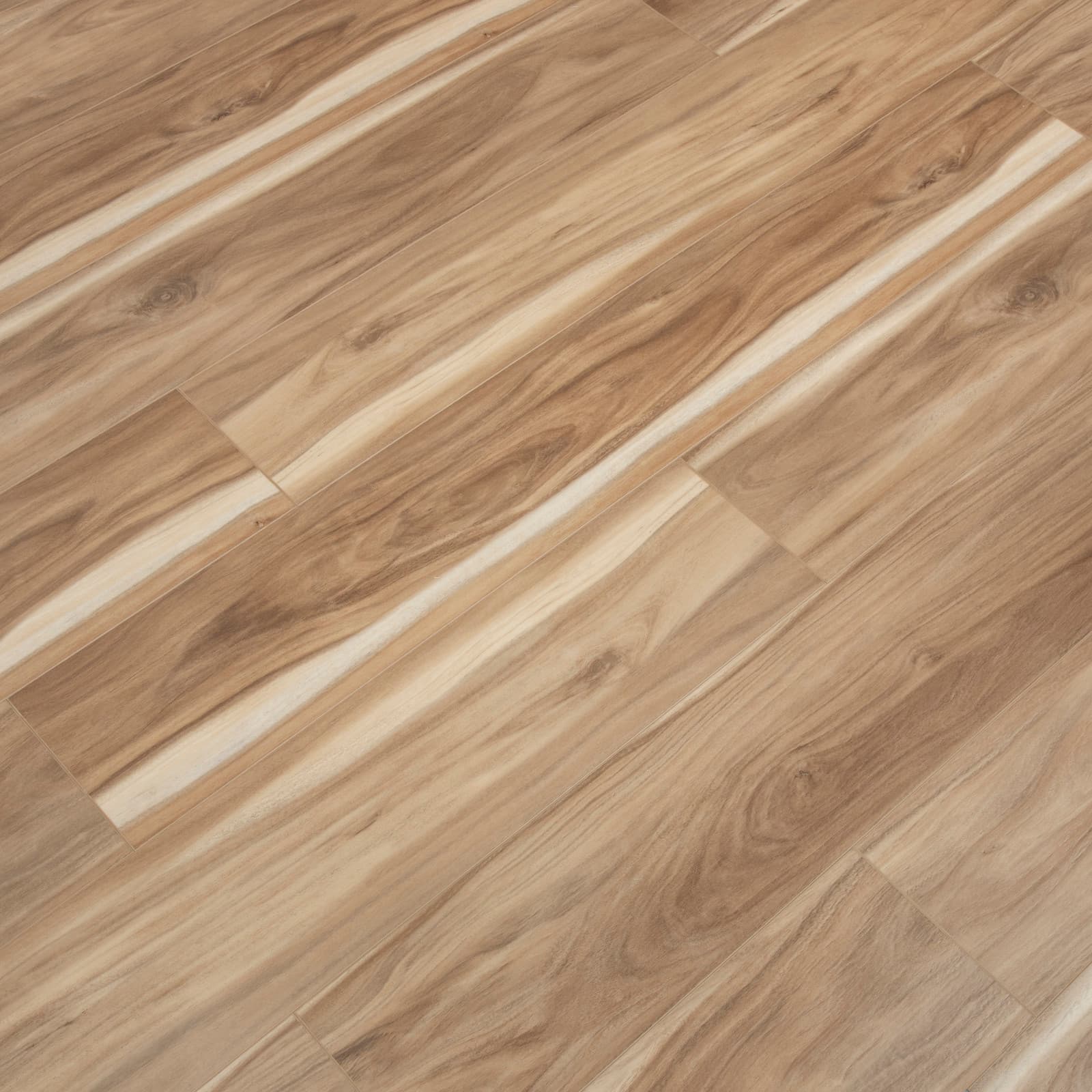
CALI's Longboards collection is the best-selling SPC vinyl — featuring extra-long, extra-wide planks that create dramatic visuals with fewer seams. For extended-length planks with coastal tones, Windansea High Tide offers 72-inch SPC planks. For budget-friendly SPC options, the Select and Select XL collections deliver rigid-core durability at accessible price points.
Is SPC harder than WPC?
Yes. SPC's stone polymer composite core is significantly denser and harder than WPC's wood polymer composite core. This makes SPC more resistant to dents, impacts, and heavy point loads. The trade-off is that SPC feels firmer underfoot — it lacks the cushioned softness that makes WPC popular for bedrooms and living areas. For high-traffic zones and commercial spaces, SPC's hardness is an advantage.
Can SPC vinyl be installed over concrete?
Yes. SPC vinyl installs as a floating floor directly over concrete subfloors. The subfloor should be clean, flat (within 3/16" per 10 feet), and dry. A moisture barrier is recommended over concrete to prevent moisture vapor from reaching the planks. SPC's rigid construction and temperature stability make it especially well-suited for concrete slab installations in basements and ground-floor spaces.
Is SPC vinyl good for commercial spaces?
Yes — SPC is the preferred vinyl flooring for commercial and high-traffic applications. The rigid mineral core resists dents from office chairs, heavy equipment, and foot traffic. Temperature stability prevents gaps in spaces with varying HVAC conditions. And the 100% waterproof construction handles spills in break rooms, lobbies, and retail environments. CALI's SPC collections carry warranties that cover commercial use.