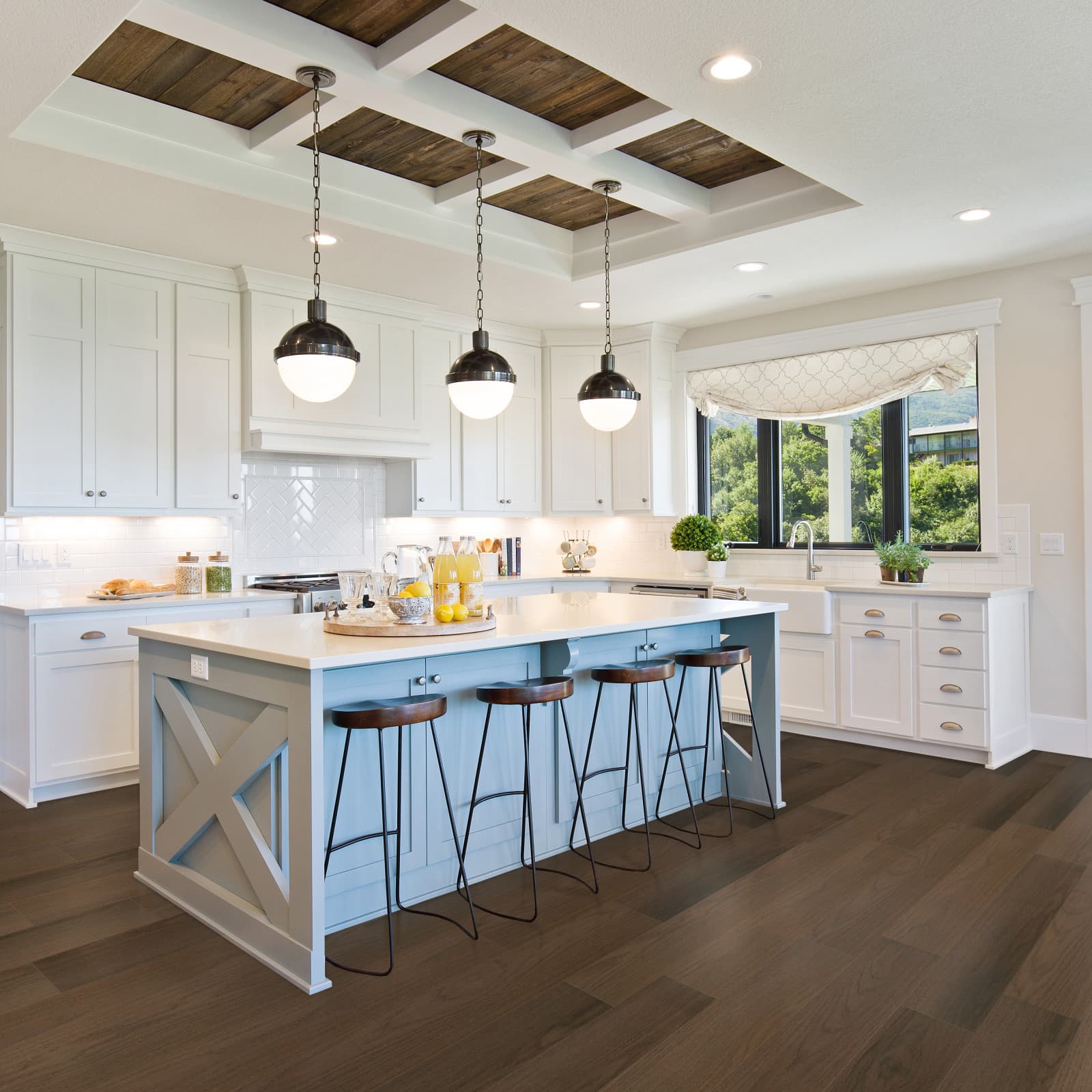
WPC Vinyl Flooring FAQ
Answers to the most common questions about WPC vinyl plank
What is WPC vinyl flooring?
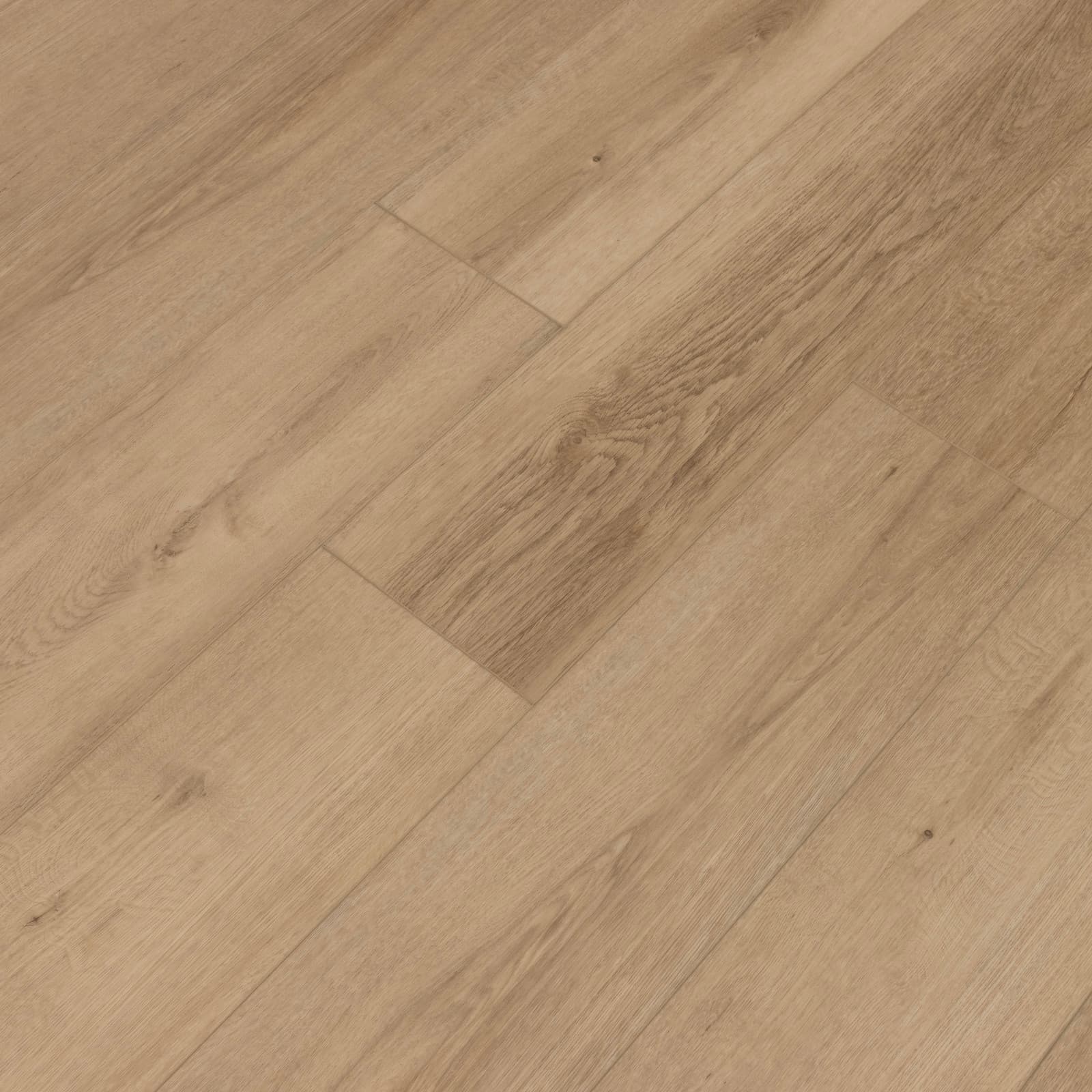
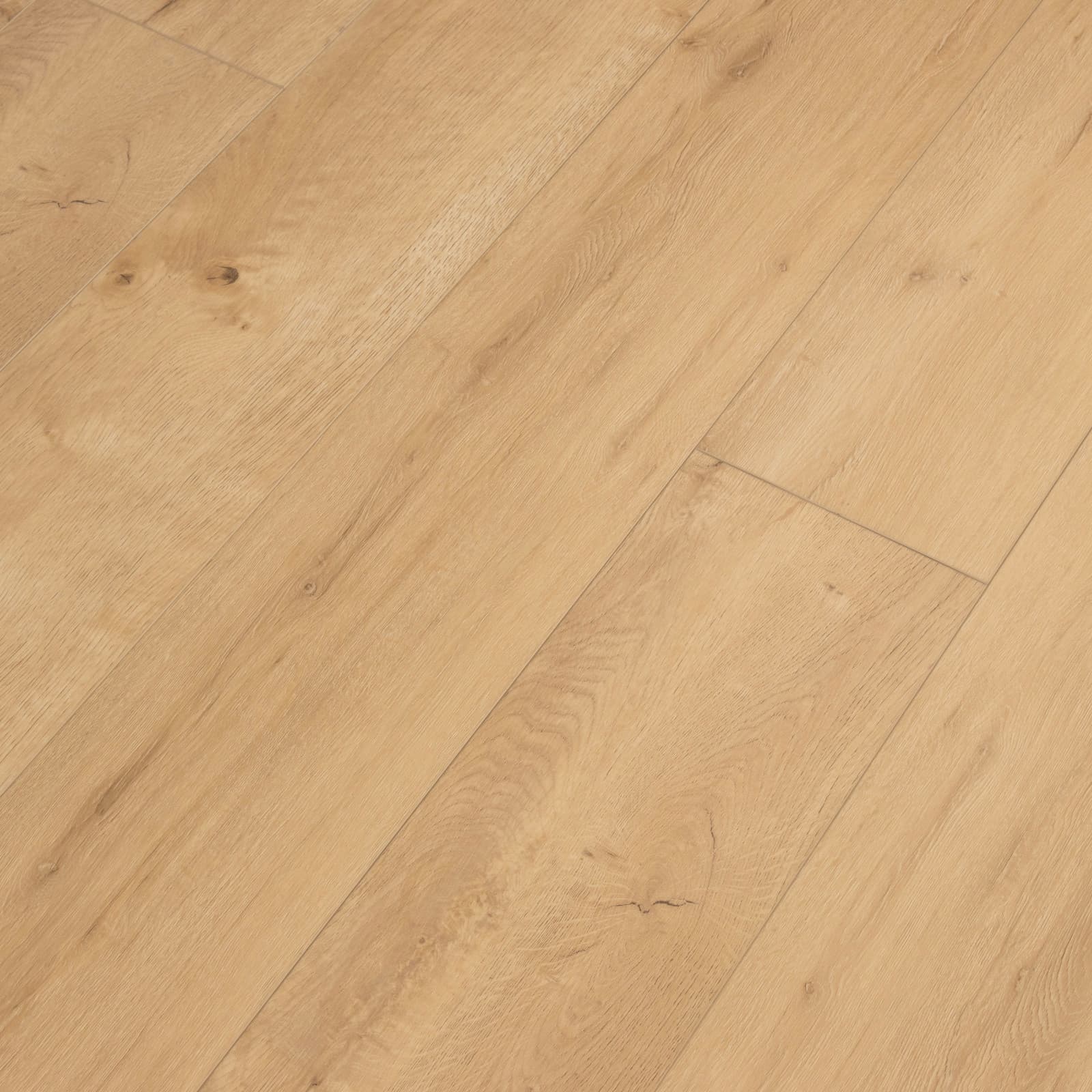
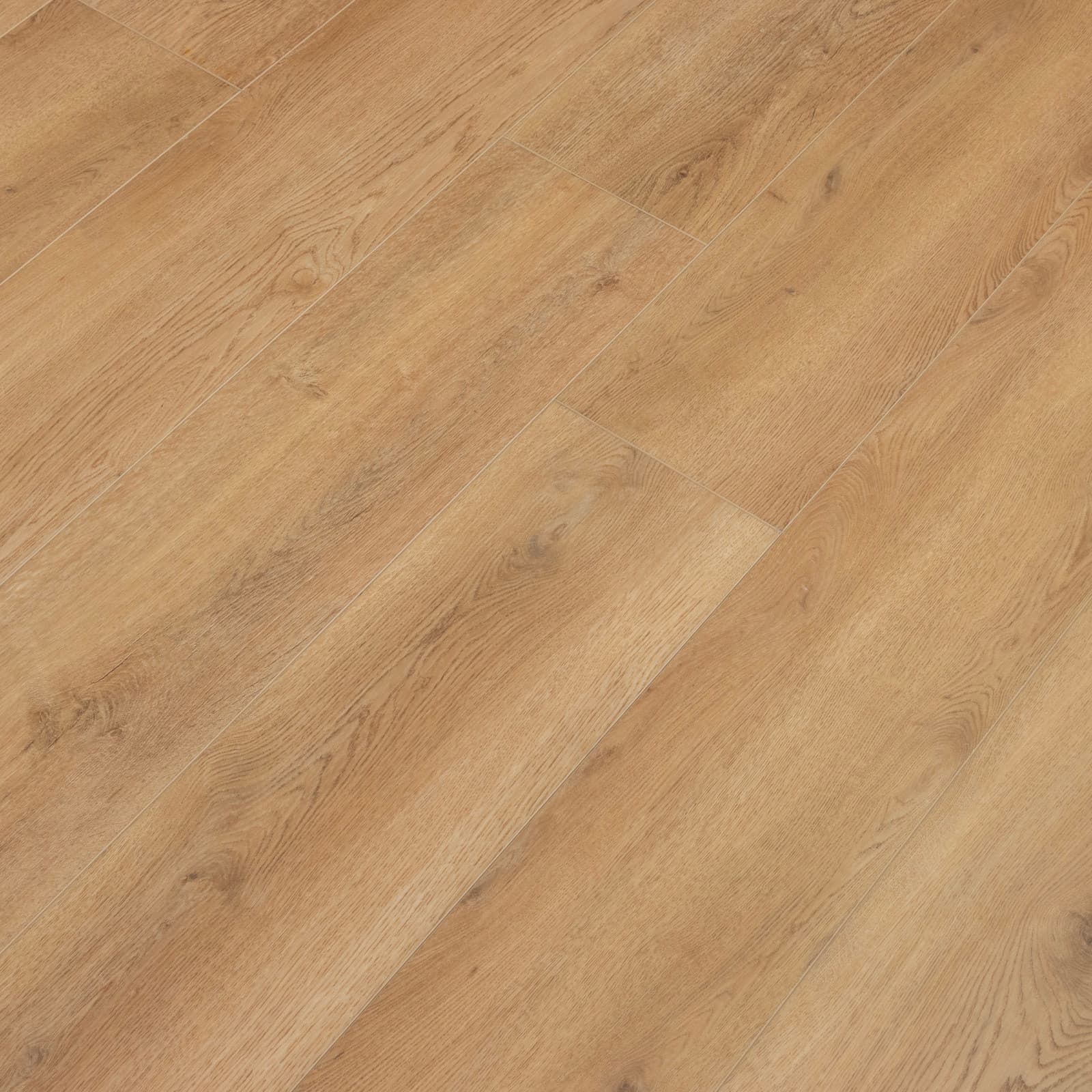
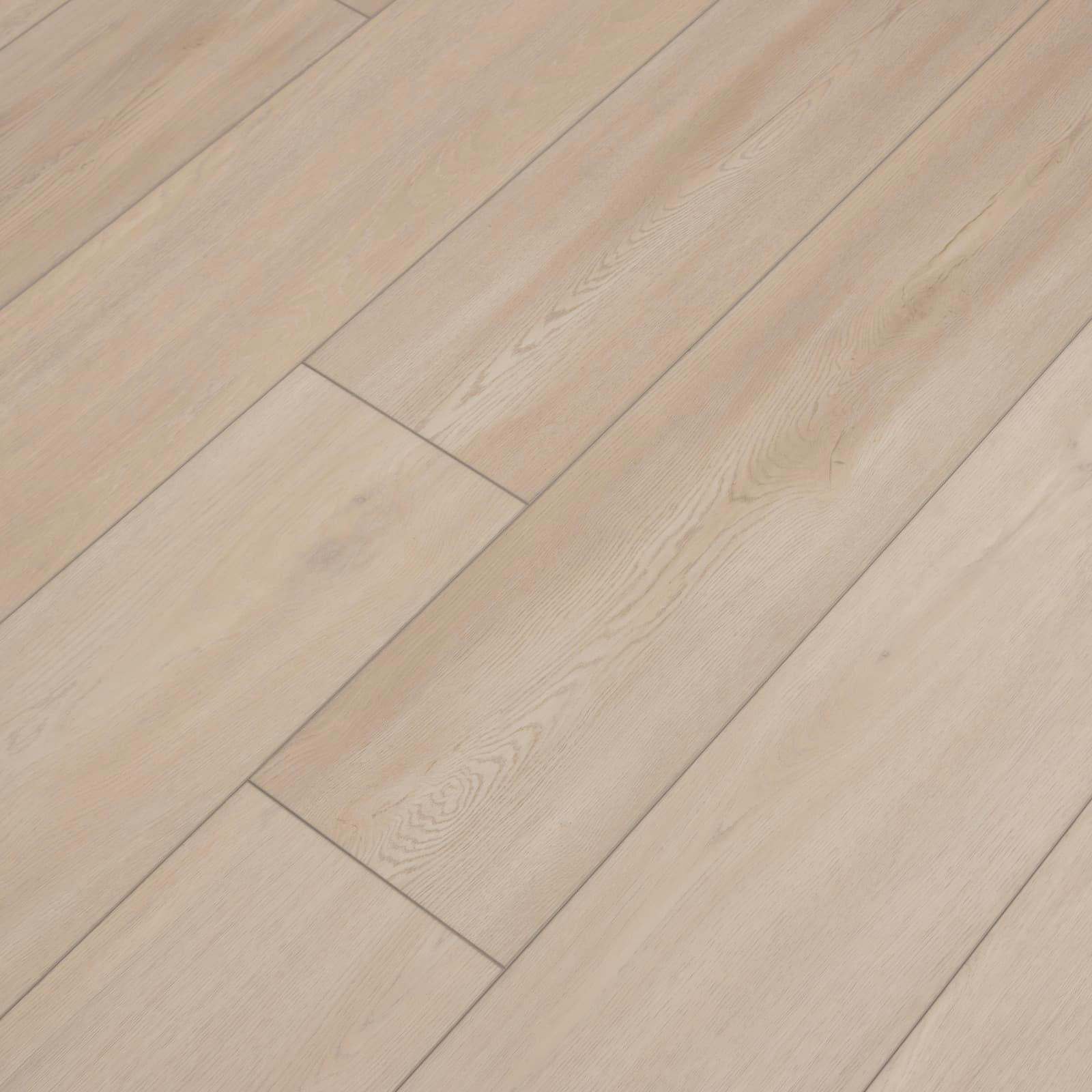
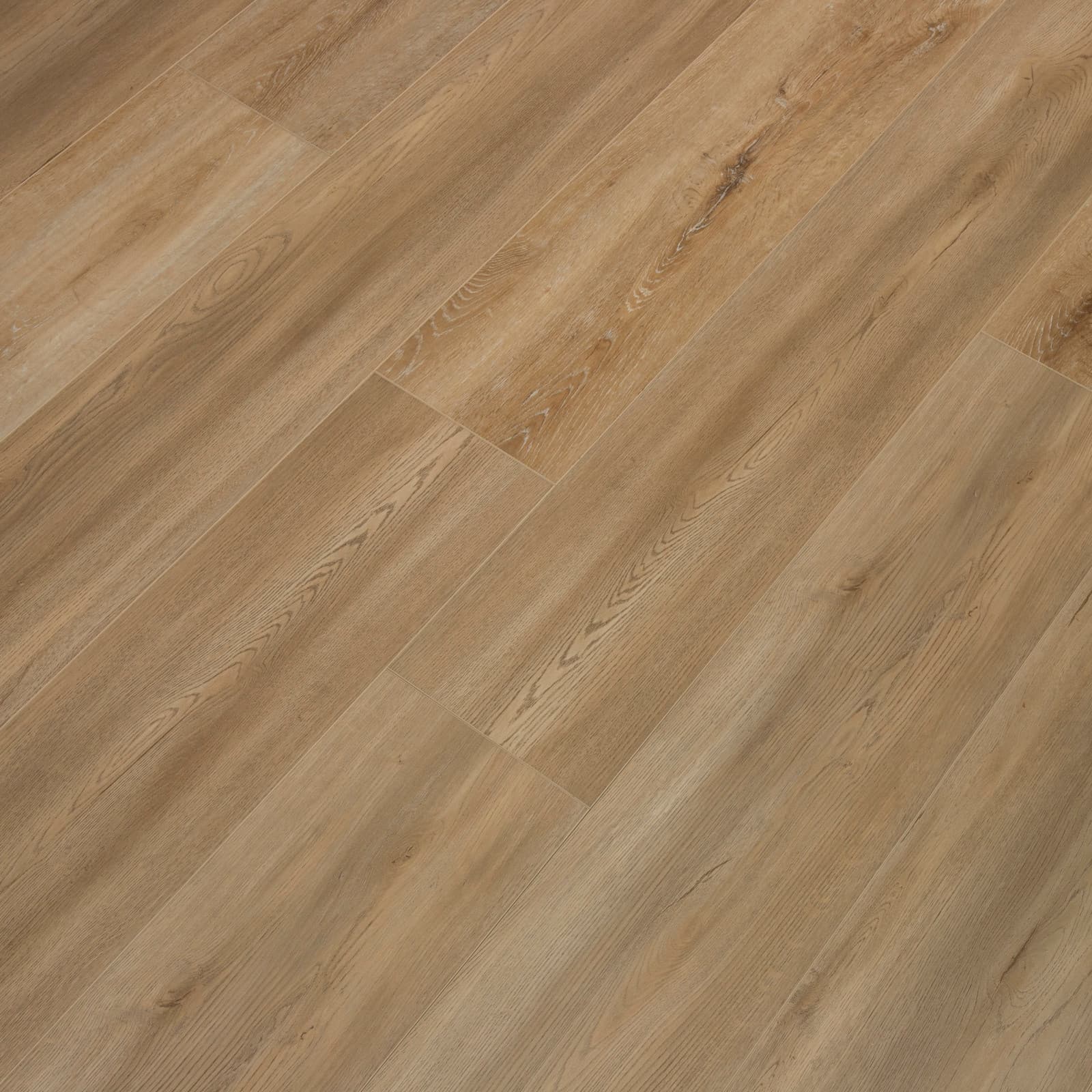
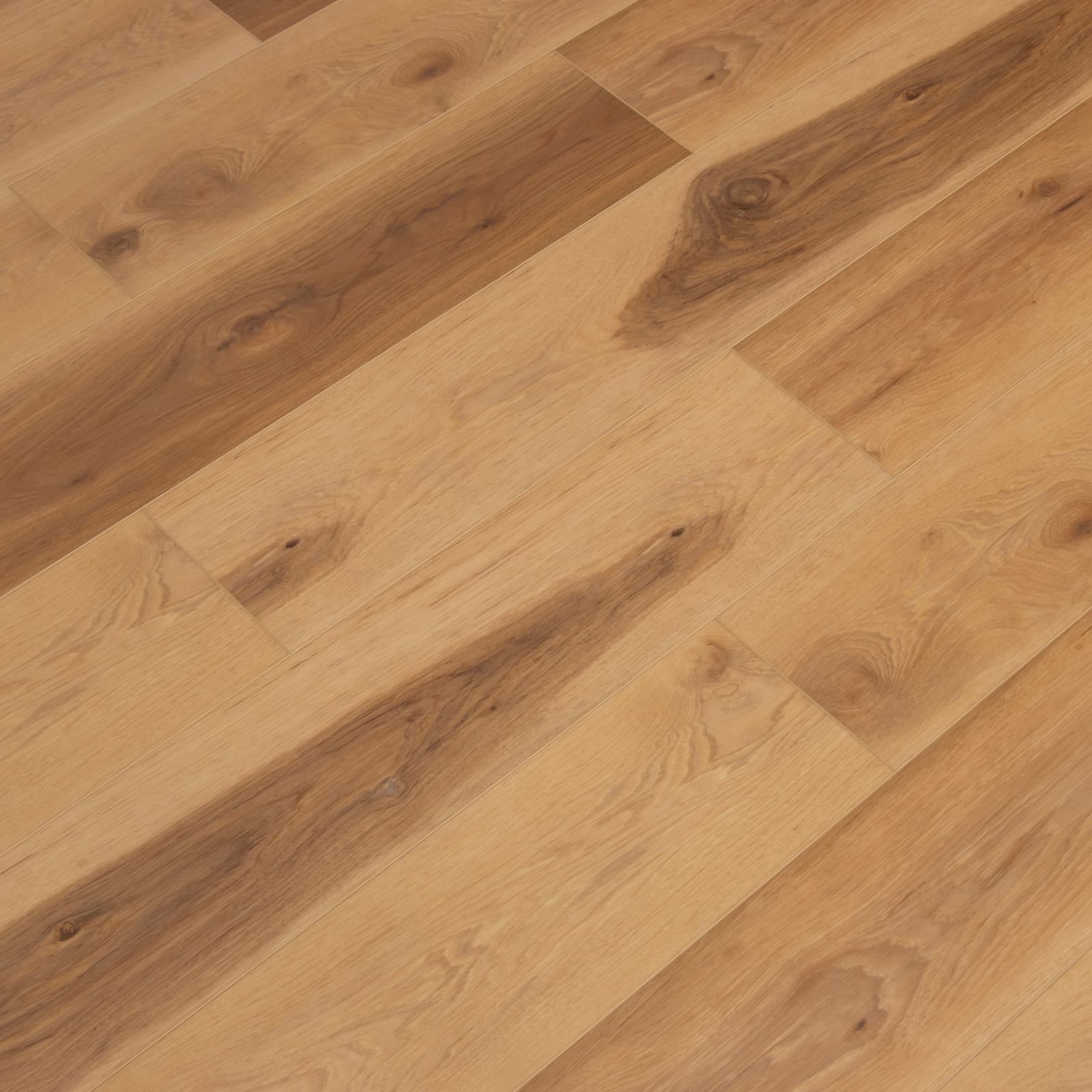
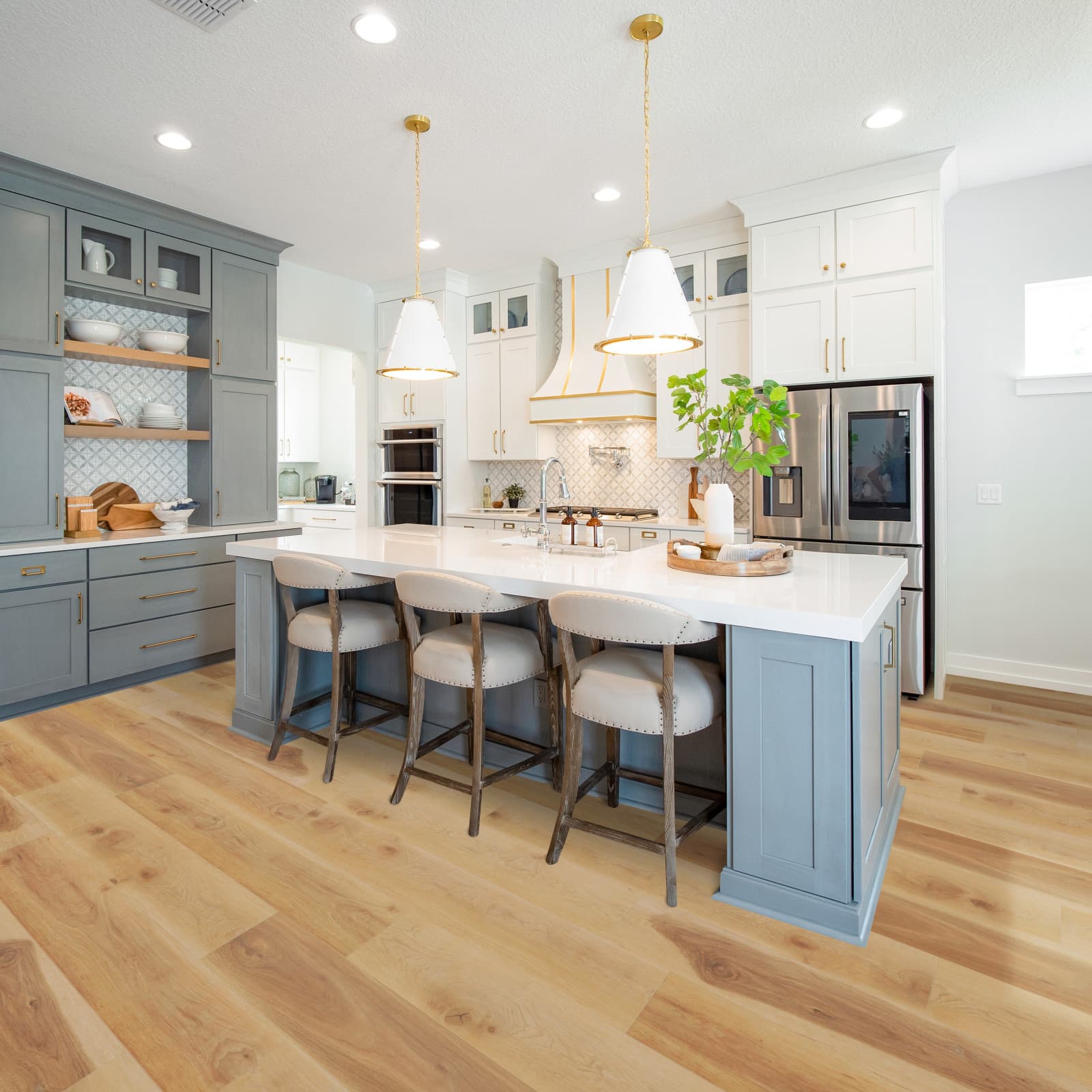
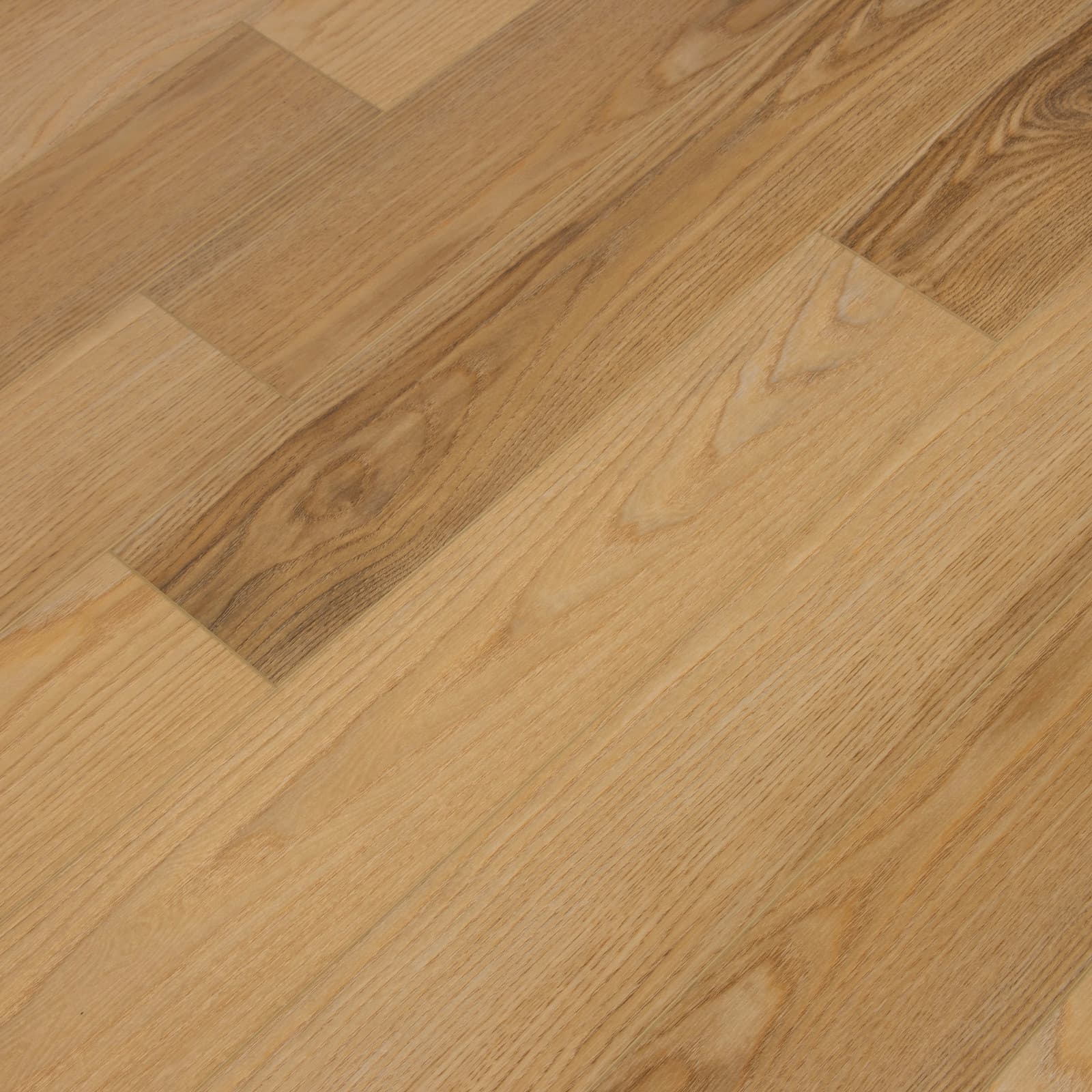
WPC stands for wood polymer composite — a type of luxury vinyl plank (LVP) with a foamed composite core. The core is made from wood dust, plastic polymers, and foaming agents, creating a cushioned layer that feels softer and warmer underfoot than rigid SPC vinyl. WPC planks are 100% waterproof, click-lock installed, and typically thicker than SPC options.
Is WPC or SPC vinyl flooring better?
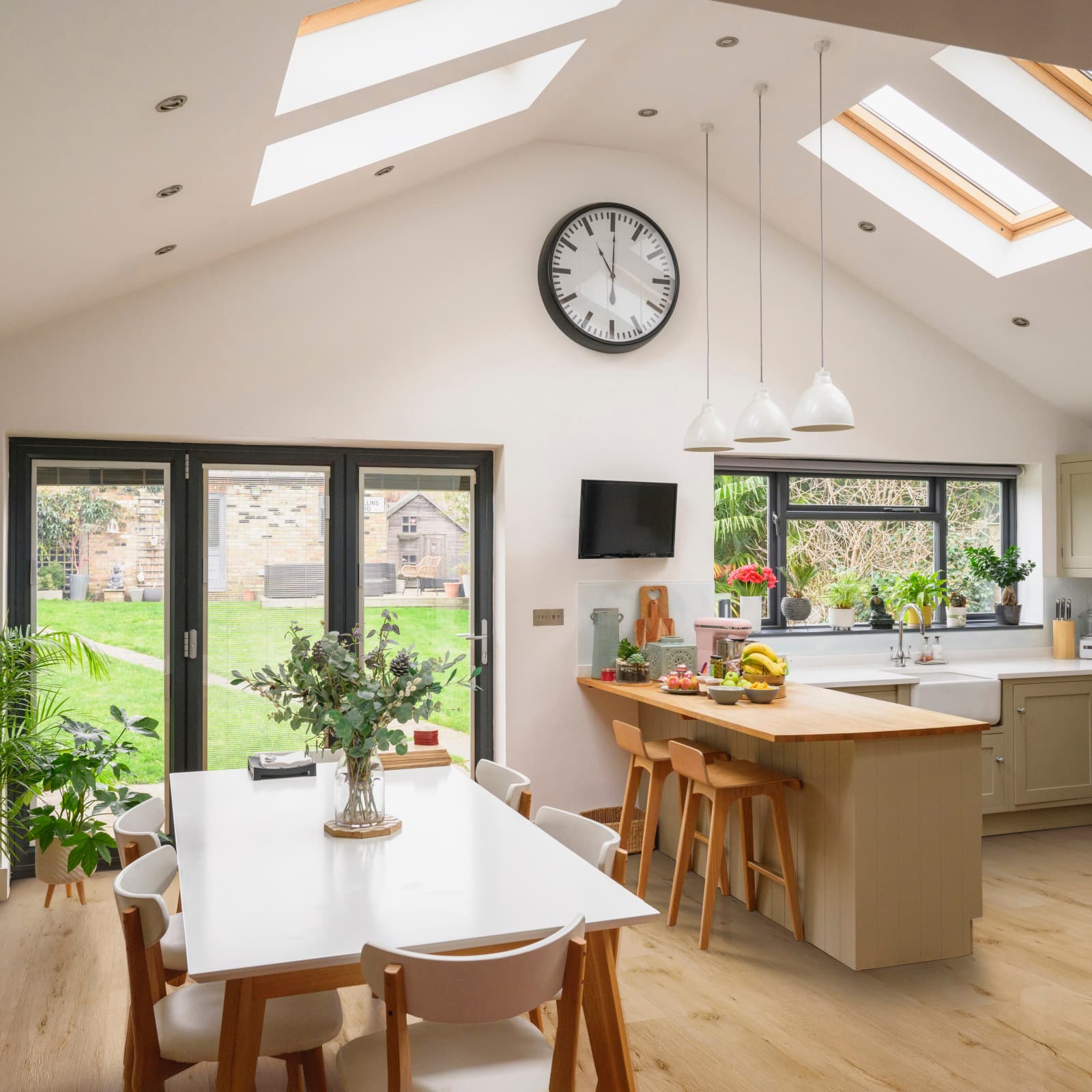
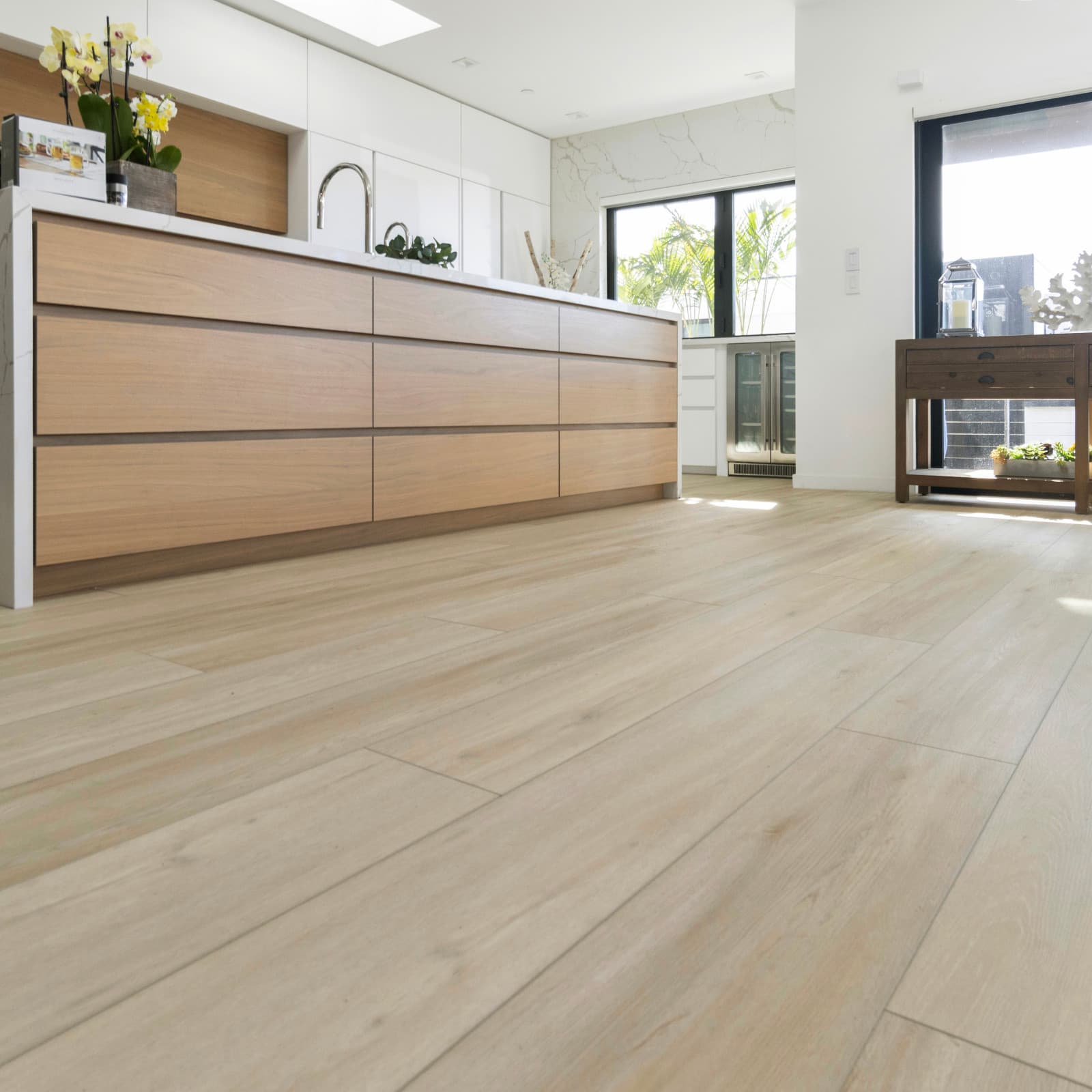
Neither is universally better — it depends on the room. WPC is softer, quieter, and more comfortable underfoot, making it ideal for living rooms, bedrooms, and family areas where you walk barefoot. SPC is denser, more dent-resistant, and handles temperature swings better, making it ideal for kitchens, bathrooms, basements, and commercial spaces. Both are 100% waterproof with click-lock installation. Many homeowners use WPC in living spaces and SPC in wet areas.
Is WPC vinyl flooring waterproof?
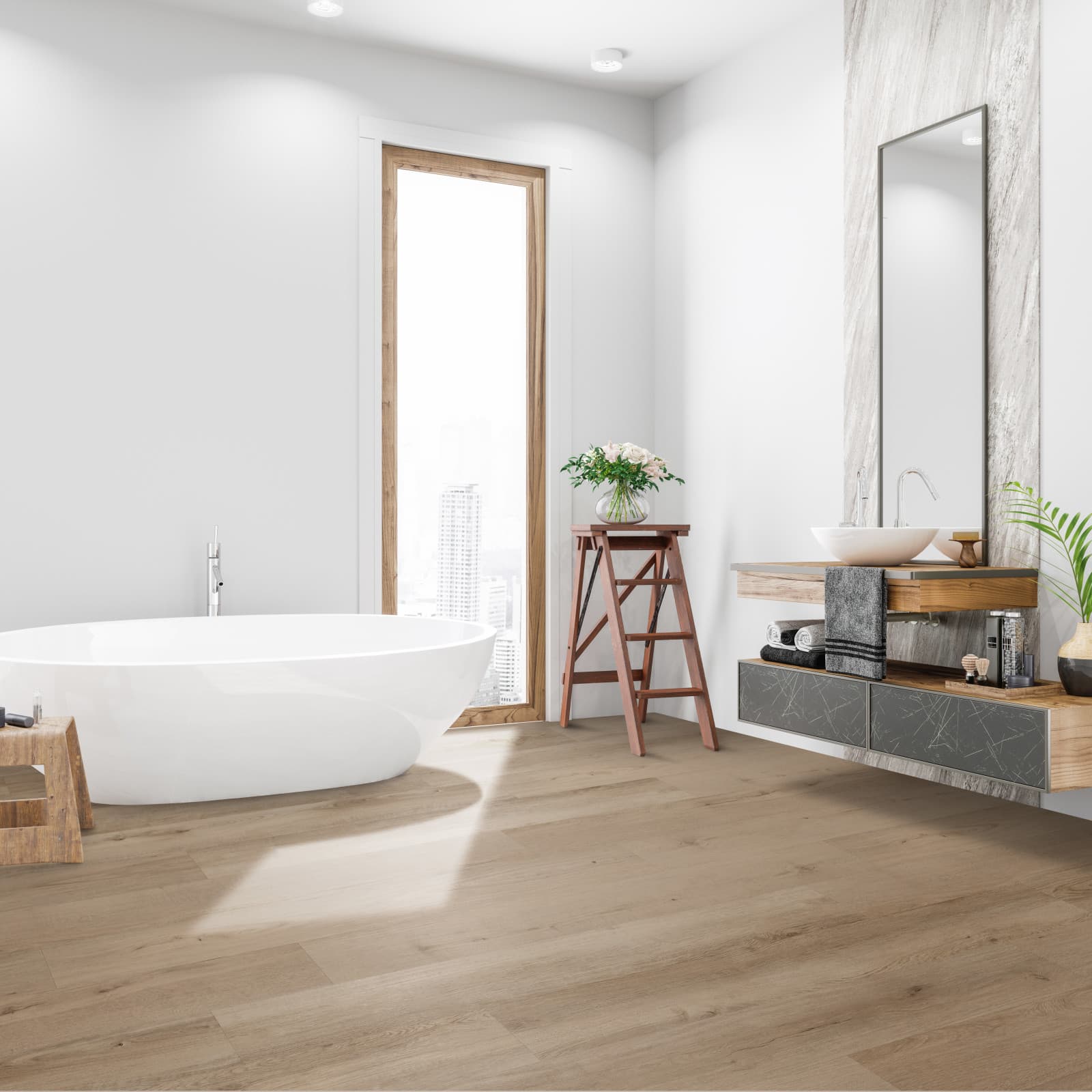
Yes — all CALI WPC vinyl flooring is 100% waterproof. The wood polymer composite core is sealed and won't absorb water, swell, or warp. You can install WPC vinyl in kitchens, bathrooms, basements, laundry rooms, and anywhere moisture is a concern. The click-lock seams create tight joints that resist water penetration.
Is WPC vinyl good for bedrooms?
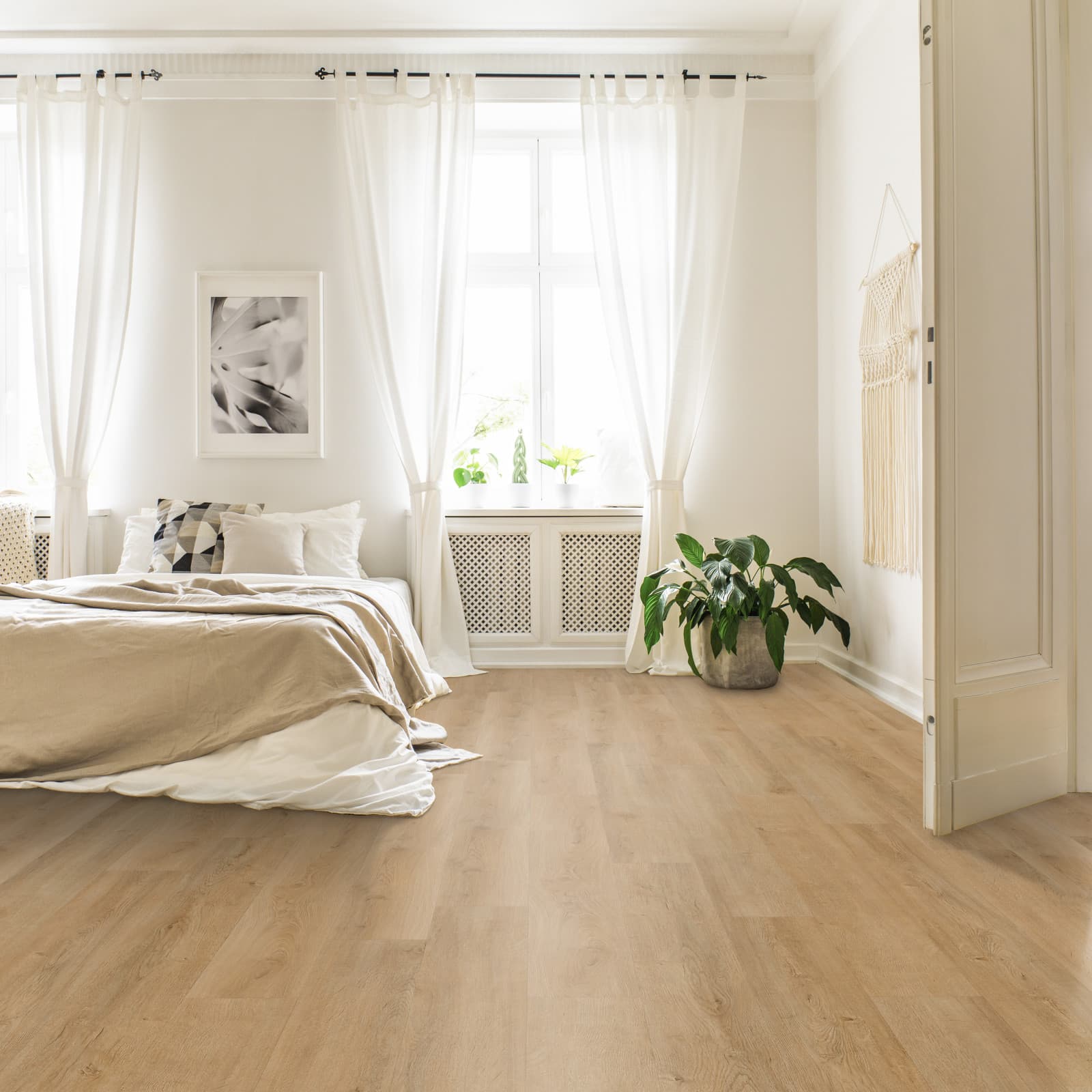
WPC vinyl is one of the best flooring choices for bedrooms. The cushioned composite core feels soft and warm underfoot — much more comfortable than SPC or tile when walking barefoot. WPC also absorbs footstep noise better than any other vinyl type, making it ideal for bedrooms, especially on upper floors. CALI's Legends and Longboards Icons collections are popular bedroom choices.
Does WPC vinyl absorb sound?
Yes — WPC vinyl is significantly quieter than SPC vinyl, laminate, or tile. The foamed wood polymer composite core naturally dampens footstep noise and impact sound. Most CALI WPC collections also include attached underlayment for additional sound reduction. This makes WPC especially well-suited for upper-floor installations, apartments, and condos where noise transmission is a concern.
Can WPC vinyl be installed in basements?
Yes — WPC vinyl is an excellent choice for basements. It's 100% waterproof, so it handles basement moisture without damage. The cushioned core adds warmth and comfort to concrete slab installations, and the click-lock floating system doesn't require adhesive. WPC's thicker construction also helps bridge minor imperfections in basement subfloors. Just ensure the slab is dry and level before installation.
What is the best WPC vinyl collection from CALI?
CALI offers four WPC vinyl collections. Longboards Icons is their premium flagship — the thickest, widest, and most realistic WPC vinyl with stunning embossed-in-register textures. Legends is a half-inch thick classic with deep cushioned comfort. Laguna features beach-inspired coastal designs. Trestles delivers premium CALI quality at an entry-level price point. For the ultimate WPC experience, start with Longboards Icons.
How thick is WPC vinyl flooring?
CALI WPC vinyl ranges from approximately 6mm to over 9mm thick depending on the collection — noticeably thicker than most SPC vinyl (typically 4-6mm). Legends planks are about half an inch thick, and Longboards Icons is even thicker. This extra thickness contributes to WPC's cushioned feel, better sound absorption, and ability to smooth over minor subfloor imperfections.
Does WPC vinyl dent easily?
WPC vinyl is softer than SPC, which means it can be more susceptible to dents from very heavy point loads like furniture legs or dropped objects. However, the wear layer on top protects against scratches and everyday use. For heavy furniture, use felt pads or furniture coasters. In high-traffic commercial areas or rooms with very heavy appliances, SPC may be a better choice due to its rigid mineral core.
How do I maintain WPC vinyl flooring?
WPC vinyl is extremely low-maintenance. Sweep or vacuum regularly to remove dust and debris, then damp mop as needed — no special cleaners required. Avoid excessive standing water (mop up spills promptly), and use felt pads under heavy furniture. Do not use abrasive cleaners, steam mops, or wax-based products. With basic care, WPC vinyl will look great for decades.